





















The quickest way to make brushing fun for a toddler is to turn it into a game rather than a chore: let them choose their own brush, brush alongside them so they can copy you, use a two-minute song or timer, and keep the whole routine short, playful and predictable. Toddlers resist brushing when it feels like something being done to them rather than with them, so shifting the tone from control to co-operation is usually what turns a daily battle into a habit they actually look forward to.
Key takeaways
Toddlers are at a developmental stage where independence matters enormously to them, and brushing often feels like one of the few moments in the day where someone else is physically controlling their body. This is rarely about the toothbrush itself; it is about autonomy. A toddler who happily eats their dinner or plays independently may still fight brushing simply because it is one of the last remaining moments where a parent is doing something to them rather than letting them lead.
Sensory sensitivity also plays a role. The texture of bristles, the taste of toothpaste, or the sensation of foam in the mouth can feel overwhelming to a young child whose senses are still developing. Understanding that resistance is usually about control or sensation, not defiance, helps parents respond with patience rather than frustration, which in turn makes the whole routine calmer and more successful over time.
Framing brushing as a game rather than a task changes how a toddler experiences it entirely. Simple ideas work well: pretend to “count” or “tickle” each tooth, invite a favourite soft toy to have its teeth brushed first, or turn brushing into a short imaginative scene where the toothbrush is a “tooth-cleaning rocket” visiting each tooth in turn. The goal is not elaborate theatre, just enough playfulness to shift the child’s attention away from resistance and toward participation.
Turn-taking is another powerful tool. Letting the toddler brush first, even if it is imperfect, and then having a parent “finish the job” gives the child a genuine sense of involvement while still ensuring the teeth are properly cleaned. Over time, many toddlers become proud of their turn and start asking for it themselves, which is exactly the shift in ownership that makes brushing sustainable in the long run.
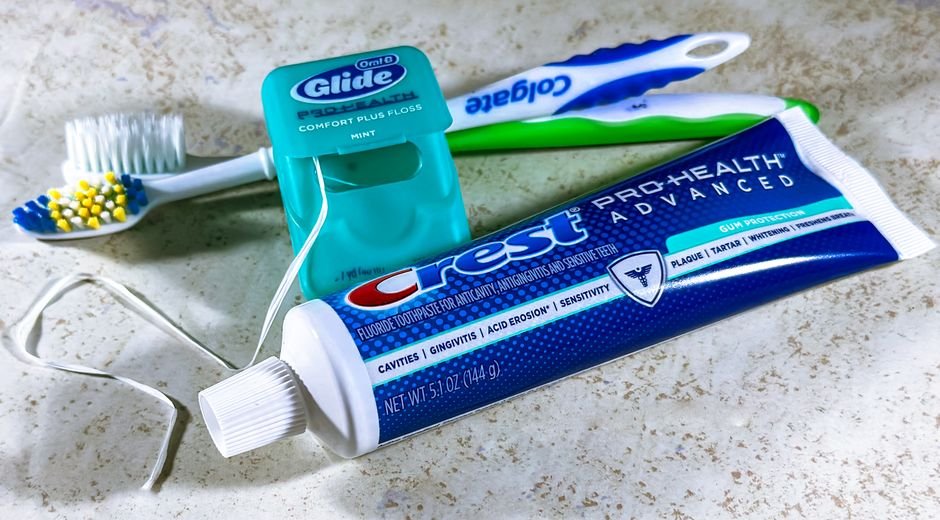
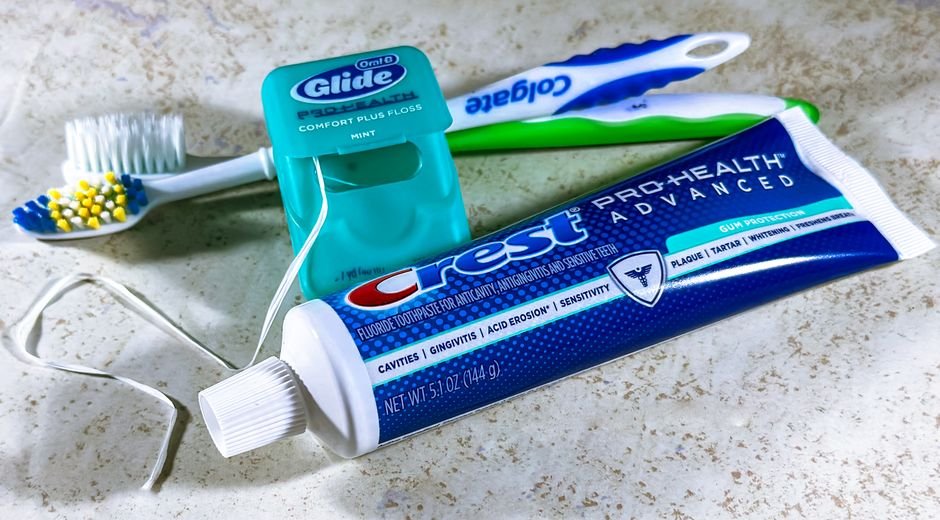
Choice is one of the simplest and most effective tools available to parents. Letting a toddler pick their own toothbrush, whether that means a particular colour, a favourite character, or a specific handle shape, gives them a small but meaningful sense of control over a routine that otherwise feels imposed. The same applies to toothpaste flavour where a range of milder options is available; a flavour the child actually likes removes one of the biggest sources of daily resistance.
It also helps to offer choices within the routine itself rather than asking whether brushing will happen at all. Questions like “should we brush upstairs or downstairs teeth first?” or “do you want the blue brush or the yellow one tonight?” give toddlers a genuine decision to make while keeping the outcome, a full clean, non-negotiable. This small reframing respects their need for independence without compromising on oral hygiene.
Two minutes can feel like a very long time to a toddler with a short attention span, so distraction and structure both help enormously. A favourite short song, whether it is a nursery rhyme or a purpose-made brushing tune, gives the child a clear sense of how long they need to keep going and makes the time pass more quickly. Visual timers, sand timers or simple phone apps with a countdown can achieve the same effect for children who respond better to something they can watch.
Storytelling works particularly well for imaginative toddlers. A simple narrative, such as “we are chasing away the sugar bugs hiding behind your teeth,” gives the routine a sense of purpose beyond just following instructions. The specific method matters less than consistency; using the same song, timer or story every night helps toddlers predict what is coming, which reduces anxiety and resistance far more effectively than novelty alone.
A predictable routine, brushing at the same points in the morning and evening, in the same order, using the same cues, helps toddlers understand what is expected without needing to be persuaded each time. Predictability lowers anxiety because the child always knows what is coming next, and routines that feel automatic generate far less pushback than ones that feel like a surprise negotiation every single day.
It also matters more that brushing happens twice daily than that every single session is technically flawless. A toddler who tolerates a slightly rushed clean because the routine is calm and familiar is in a better long-term position than one who associates brushing with tension because a parent insists on perfect technique every time. Building the habit first and refining technique gradually tends to produce far better results over months and years.
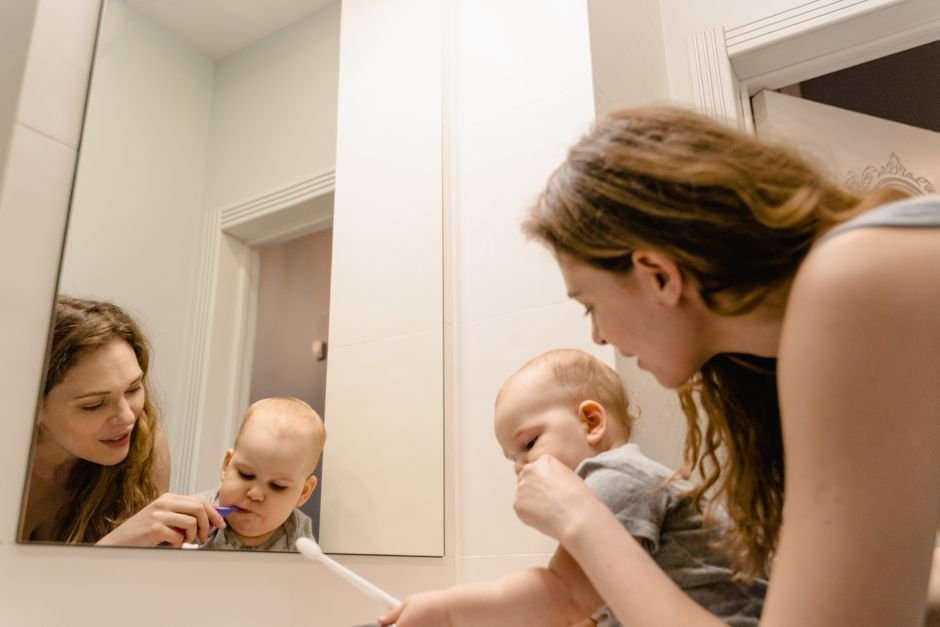
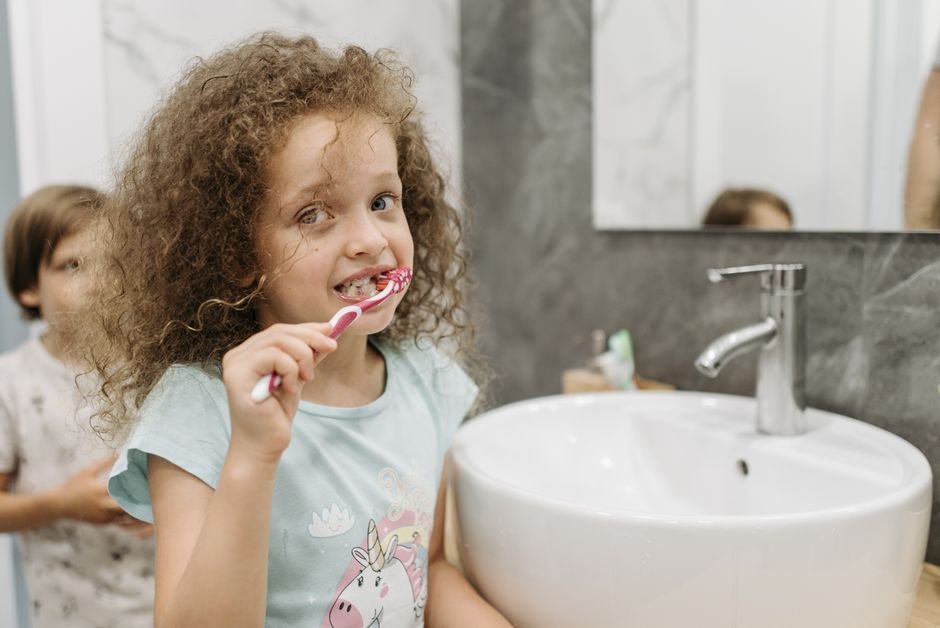
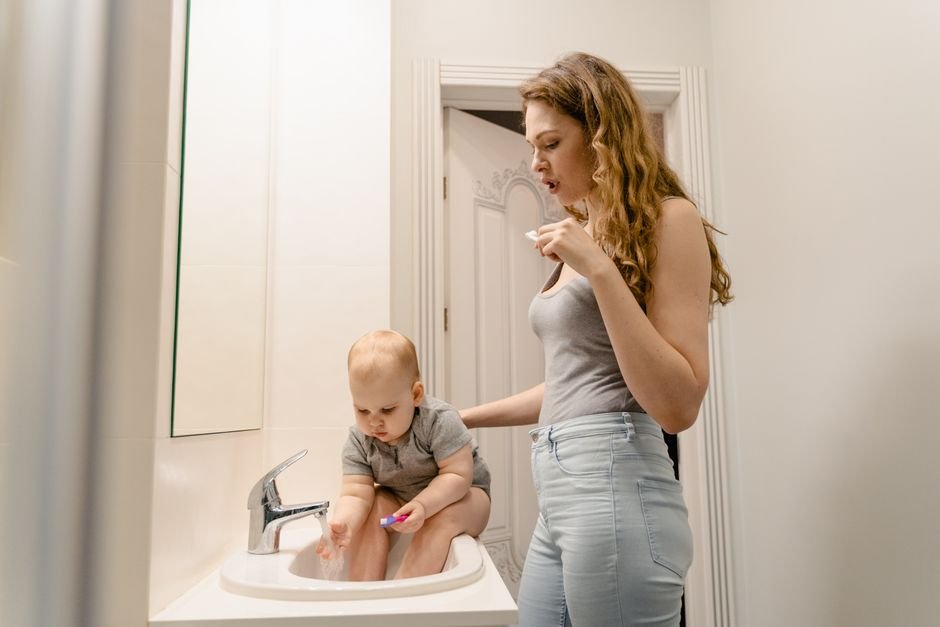
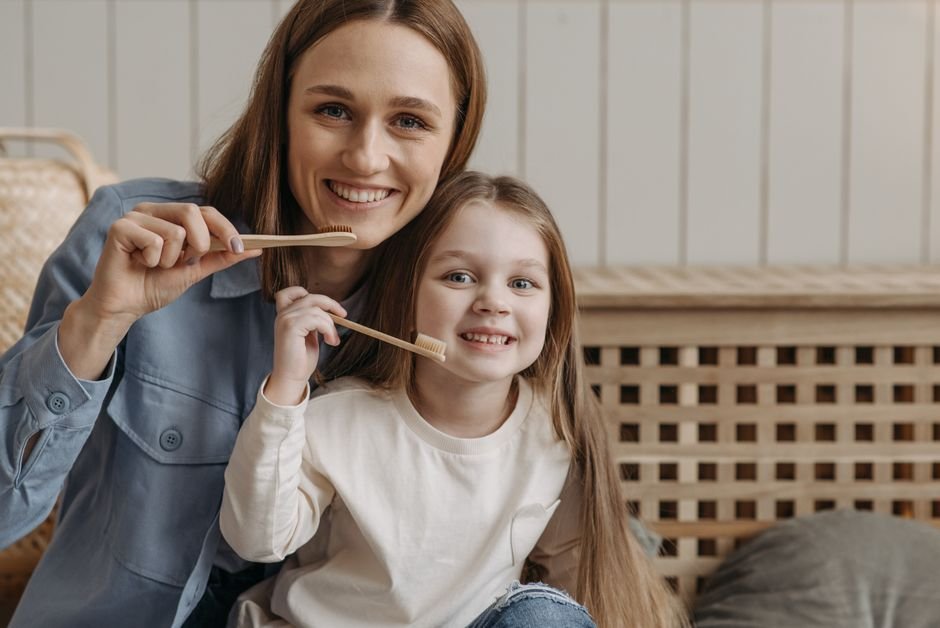
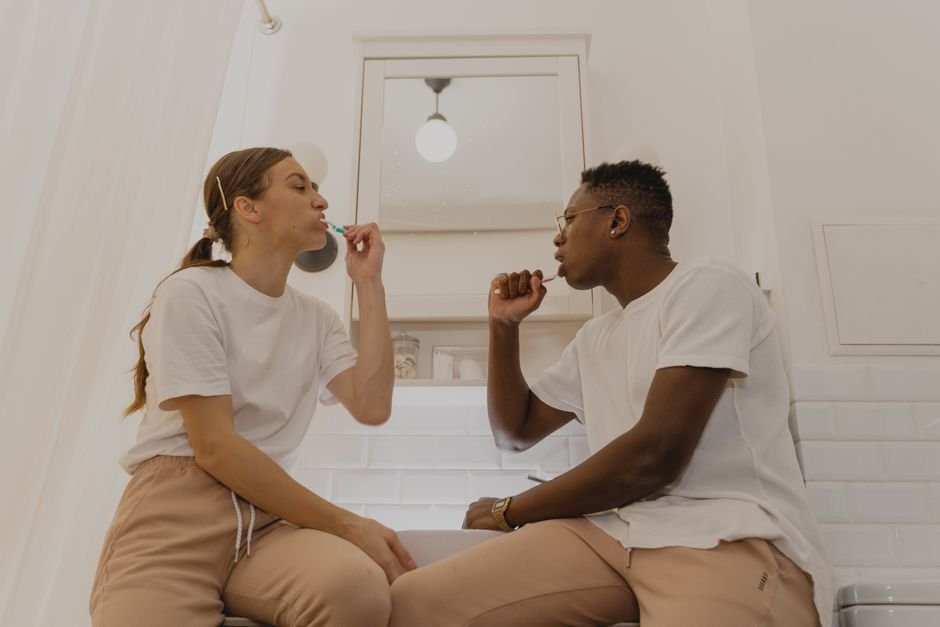
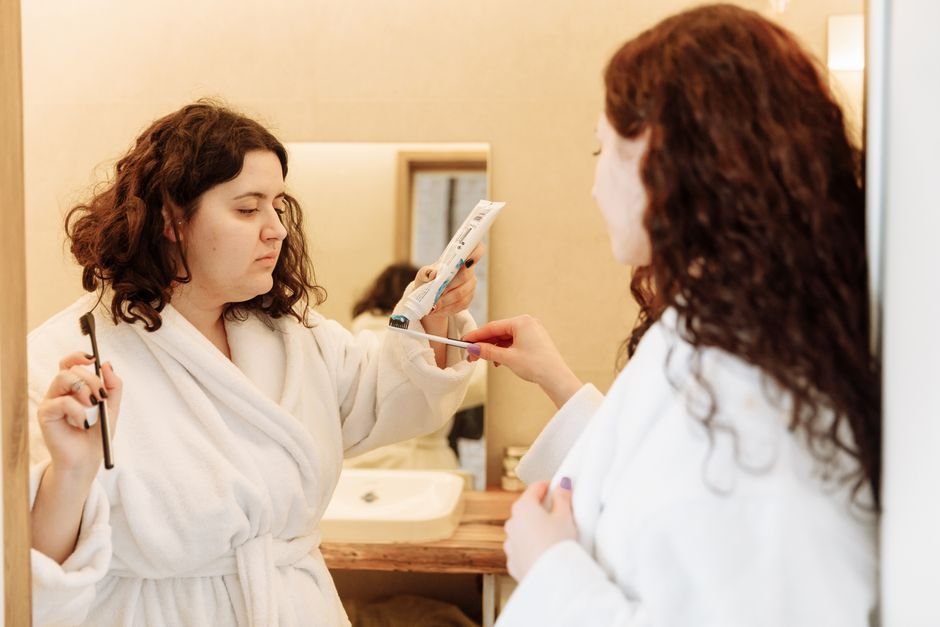
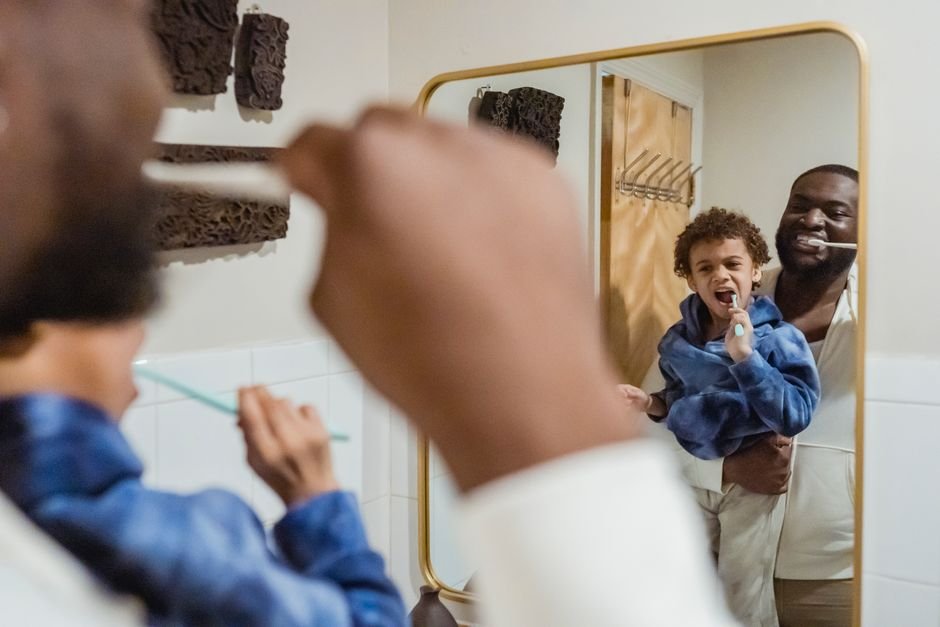
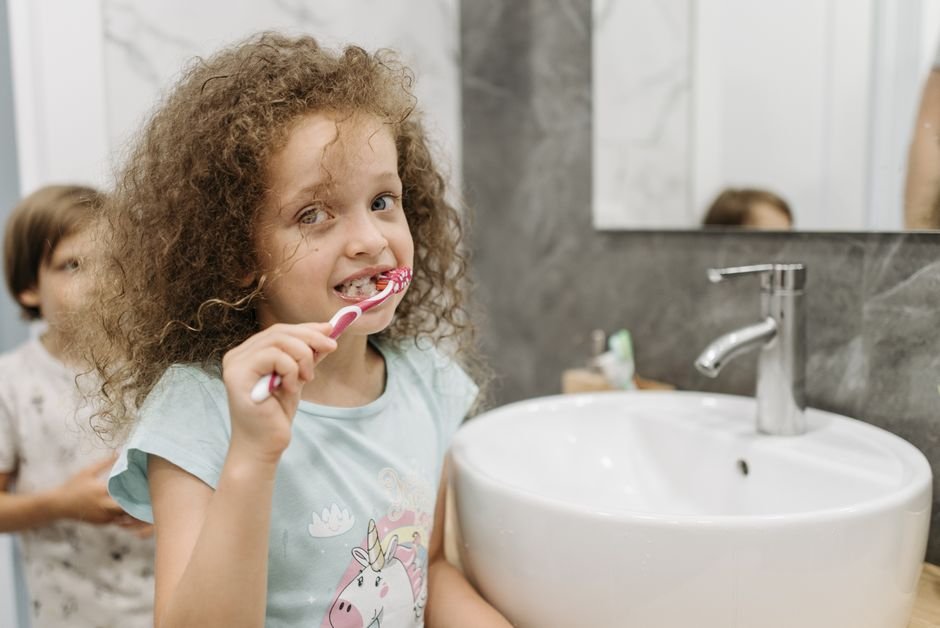
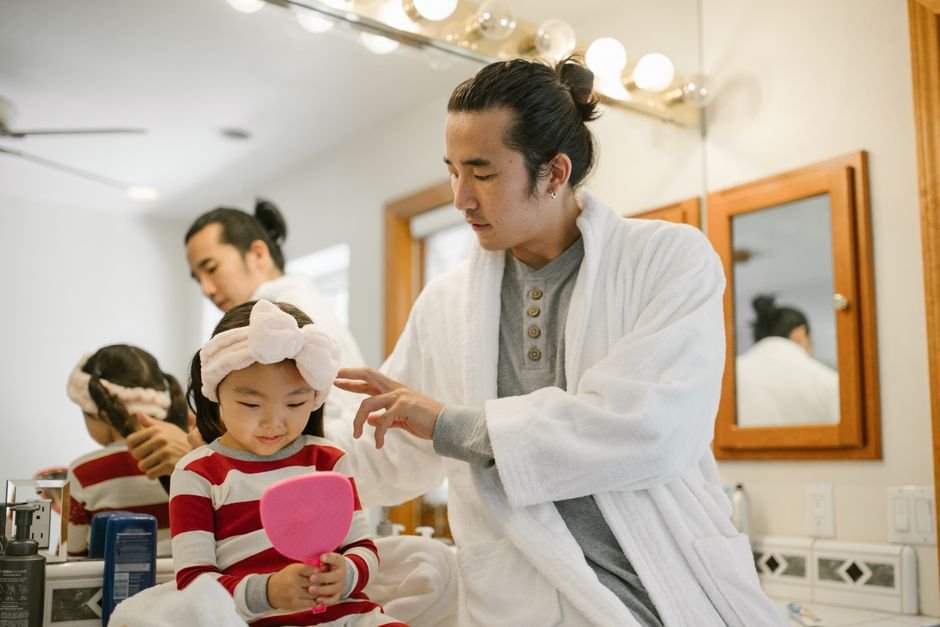
Toddlers learn overwhelmingly through imitation, and brushing is no exception. Standing side by side at the basin, or sitting together, and brushing your own teeth at the same time gives the child a live example to copy rather than an abstract instruction to follow. Many toddlers who refuse to open their mouth for a parent will happily mimic the motion when they see it modelled in real time as a shared activity rather than something only expected of them.
This shared approach also reduces the sense that brushing is a chore imposed from above. When brushing is simply “something the whole family does together,” it becomes part of normal daily life rather than a rule enforced on the smallest member of the household. Even older siblings brushing nearby can have the same encouraging effect, since toddlers are often keen to do whatever the bigger children in the house are doing.
For most toddlers, a smear or rice-grain sized amount of toothpaste is appropriate, increasing to a small pea-sized amount as they get a little older, always applied by an adult rather than left for the child to control. Using too much toothpaste can make the foaming sensation overwhelming for a young child, which paradoxically increases resistance rather than helping the process feel pleasant.
At this age, gentle and thorough matters more than technically perfect technique. Small circular motions covering all surfaces, including the gumline and the back teeth, are the general aim, but a toddler’s cooperation window is short, so efficiency counts. An adult should always do a follow-up brush after any independent attempt by the toddler, since young children lack the fine motor control to clean effectively on their own, even when they are enthusiastic about trying.
When resistance persists despite games, choice and routine, it often helps to briefly step back from the fight itself. Trying a different time of day, a different location such as a different bathroom or even a favourite room, or a different adult carrying out the routine can sometimes reset a pattern that has become tense. Short, calm attempts repeated consistently tend to work better than long, high-pressure sessions that leave both parent and child frustrated.
It also helps to separate the non-negotiable outcome, teeth get cleaned, from the negotiable details of how it happens. A toddler might accept brushing lying down, standing up, in front of a mirror, or during a favourite short video, even if they reject the usual approach. If refusal is severe, prolonged or linked to signs of pain, this is worth discussing with a dental professional, since discomfort rather than simple defiance can sometimes be the underlying cause.
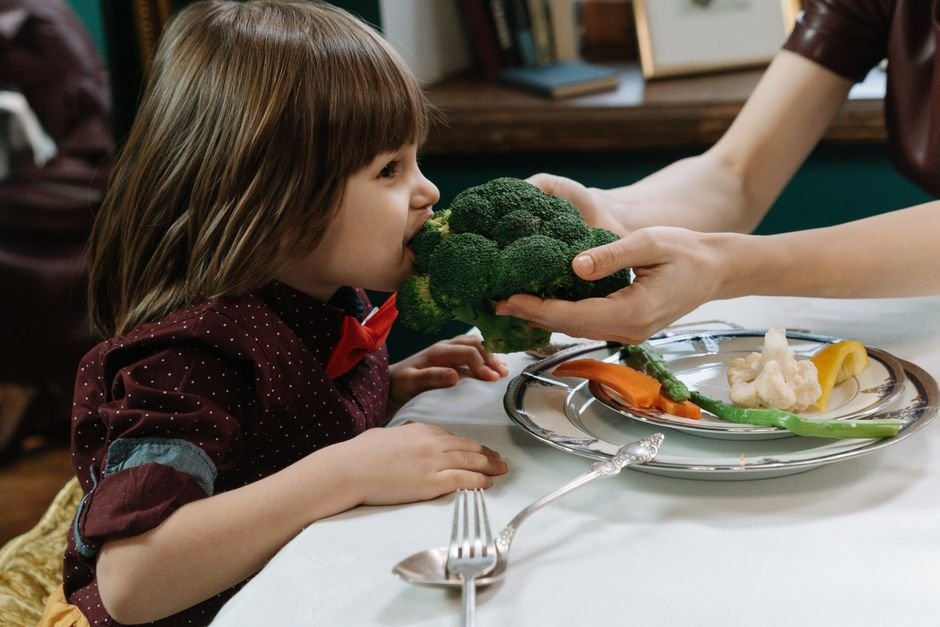
Brushing does not happen in isolation, and the habits that surround it matter too. Limiting sugary snacks and drinks between meals reduces the overall workload on a toddler’s teeth and makes the twice-daily brush more effective at maintaining a healthy mouth. Offering water rather than juice as the default drink, particularly before bed, also supports the work that brushing is doing rather than working against it.
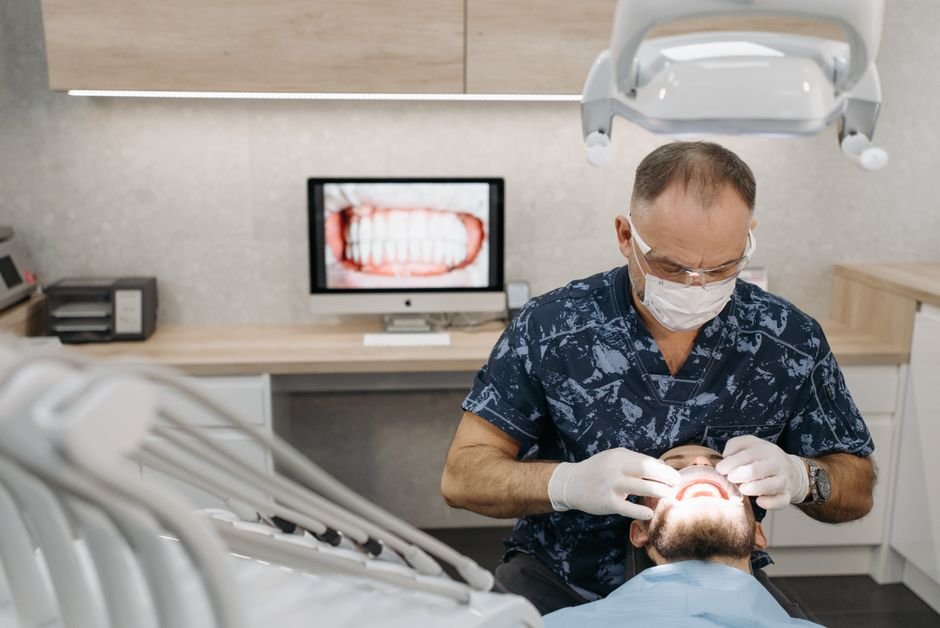
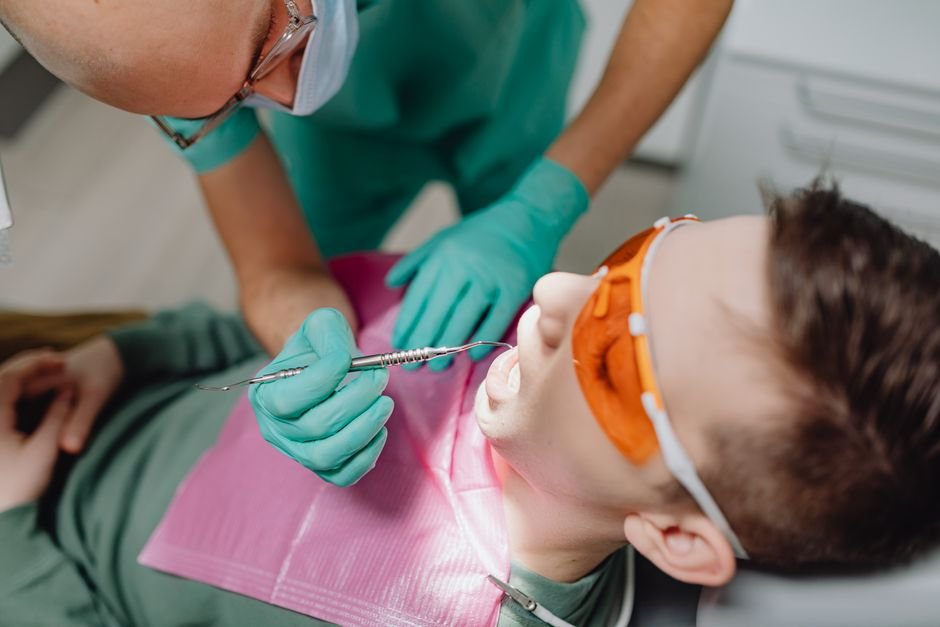
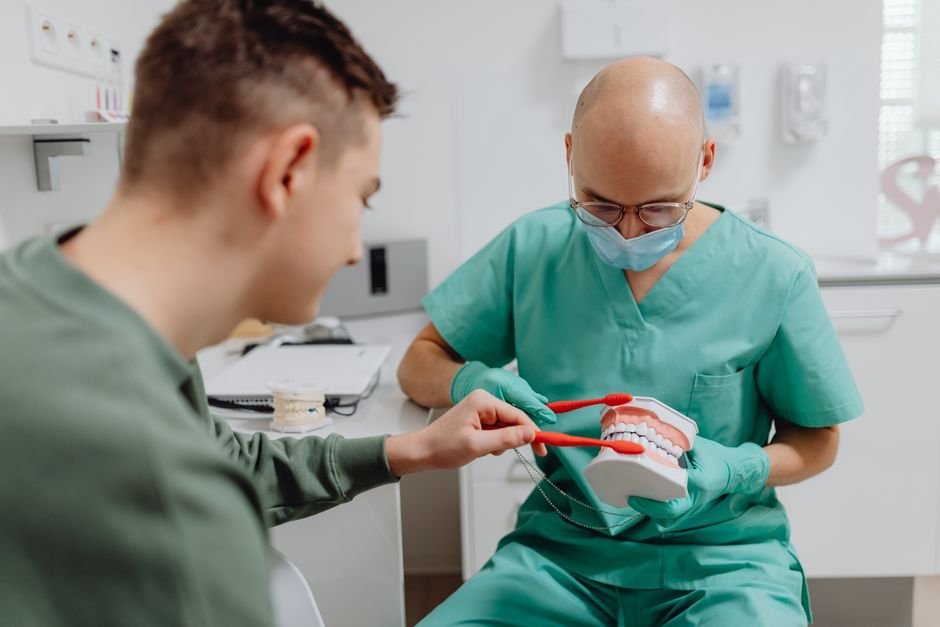
Regular dental check-ups from an early age help toddlers become familiar and comfortable with dental visits long before any treatment is needed, which in turn supports a positive attitude toward oral care generally. A toddler who associates both brushing at home and visits to the dentist with calm, low-pressure experiences is far more likely to grow into a child, and later an adult, who maintains good oral hygiene without anxiety or avoidance.
Brushing should begin as soon as the first tooth appears, usually around six months of age, using a soft, small-headed brush and a smear of appropriate toothpaste. An adult should carry out or closely supervise brushing throughout the toddler years, since young children do not yet have the coordination to clean their teeth thoroughly on their own.
Two minutes, twice a day, is the general guideline for effective brushing at any age, including toddlers. In practice, very young children may only tolerate shorter bursts at first, and building up to the full two minutes gradually using songs, timers or games is a reasonable and common approach.
Occasional swallowing of a small, age-appropriate amount of toothpaste is common and generally not a cause for concern, which is why only a smear or rice-grain sized amount is recommended for the youngest children. Parents should still supervise brushing and encourage spitting out rather than swallowing as a habit as the toddler gets older.
Either timing can work well, and the most important factor is that brushing happens consistently twice a day rather than at a specific point relative to meals. Some families prefer brushing before breakfast to avoid rushing afterwards, while others find it easier to fit in once the toddler has settled after eating.
Most children lack the fine motor skills for a thorough independent clean until around six or seven years of age, so toddlers should always have an adult brushing for them or closely finishing the job after any attempt of their own. Encouraging toddlers to have a turn first, followed by an adult finishing the clean, is a good way to build the habit while ensuring teeth are properly cleaned in the meantime.

What and when a family eats together has a surprisingly direct effect on children’s dental health, since mealtime patterns often

Children are far more likely to stick with good oral care habits when they see parents practising the same routines
Most dentists recommend a child’s first dental visit by their first birthday, or within six months of their first tooth
 English