









































A family’s dental needs shift significantly from infancy through the teenage years, adulthood, and older age, which means the same routine that works for a toddler will not serve a teenager or an ageing parent equally well. Understanding what each life stage actually requires, and adjusting habits, checkup frequency, and products accordingly, is what keeps every member of a household on track for good oral health rather than relying on a single one-size-fits-all approach.
Key takeaways
Oral care actually begins before a baby’s first tooth appears, with gentle wiping of the gums using a clean, damp cloth after feeding to remove bacteria and get the infant accustomed to having their mouth touched. Once the first tooth erupts, usually somewhere between six months and a year, a small, soft-bristled infant toothbrush with a tiny smear of fluoride toothpaste becomes appropriate.
Establishing a first dental visit within the first year of life, even before any problems are apparent, helps a family become familiar with what healthy development looks like and gives a dentist the chance to spot anything unusual early. This early visit also gives parents a chance to ask practical questions about feeding habits, teething discomfort, and bottle use, all of which have a direct bearing on how a child’s teeth develop.
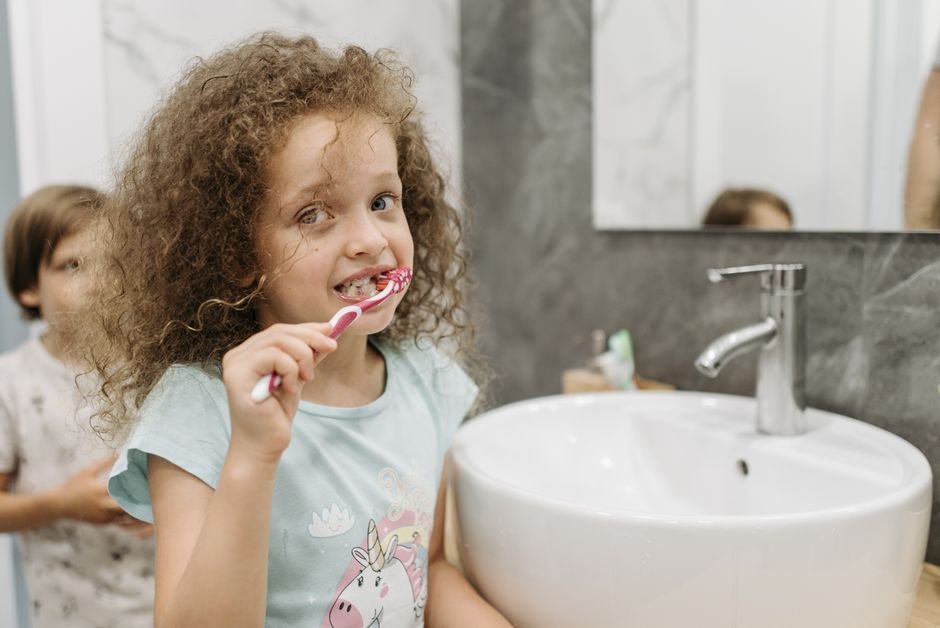
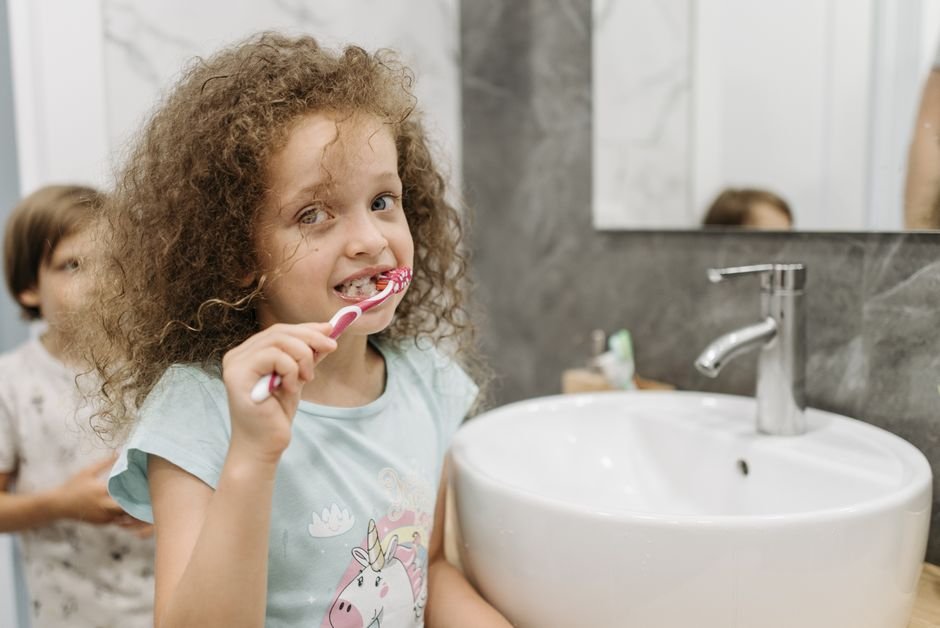
The toddler years are when brushing habits genuinely start to form as routine, even though most toddlers still need an adult to do the actual brushing or to closely supervise and finish the job. Twice-daily brushing with a pea-sized amount of fluoride toothpaste, paired with consistent timing around breakfast and bedtime, helps the habit become automatic rather than a daily negotiation.
This is also the stage where snacking patterns and sippy cup habits have an outsized effect on developing teeth, since frequent exposure to sugary drinks or snacks throughout the day gives bacteria repeated opportunities to produce acid. Limiting these to mealtimes rather than constant grazing, and avoiding putting a toddler to bed with a bottle of milk or juice, meaningfully reduces early cavity risk.
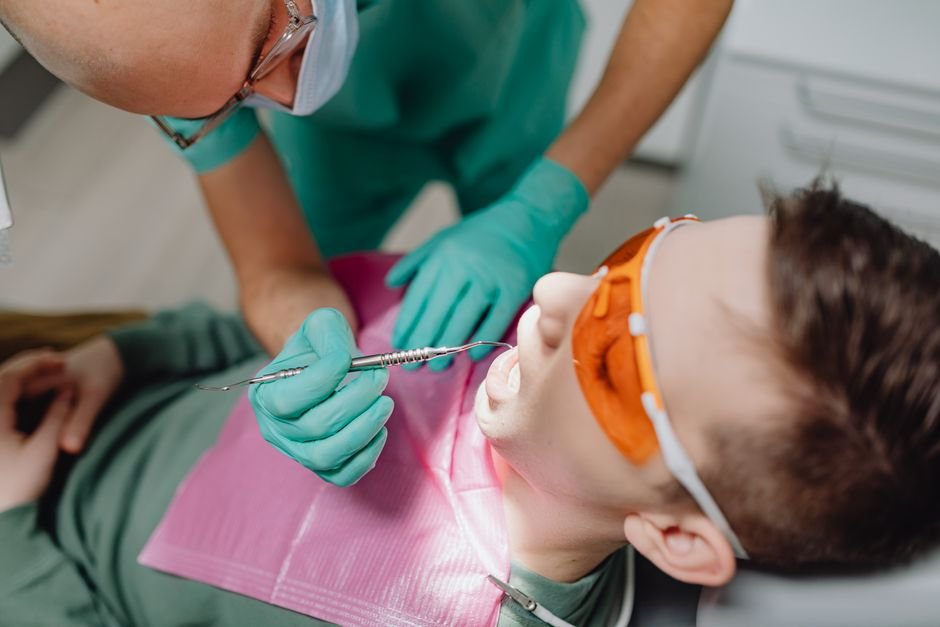
School-age children face a genuinely higher cavity risk during this period, largely because permanent teeth are erupting alongside remaining baby teeth, creating a mixed dentition that can be trickier to clean thoroughly, and because children are gaining more independence over snacking and brushing without always having the skill to do either consistently well.
Dental sealants, a thin protective coating applied to the chewing surfaces of back molars, are commonly recommended during this stage because those surfaces have deep grooves that are hard to clean and are particularly prone to decay. Continuing to supervise brushing, even as children ask for more independence, and reinforcing flossing habits as adult teeth come in close together, helps carry good habits through this transitional stage.
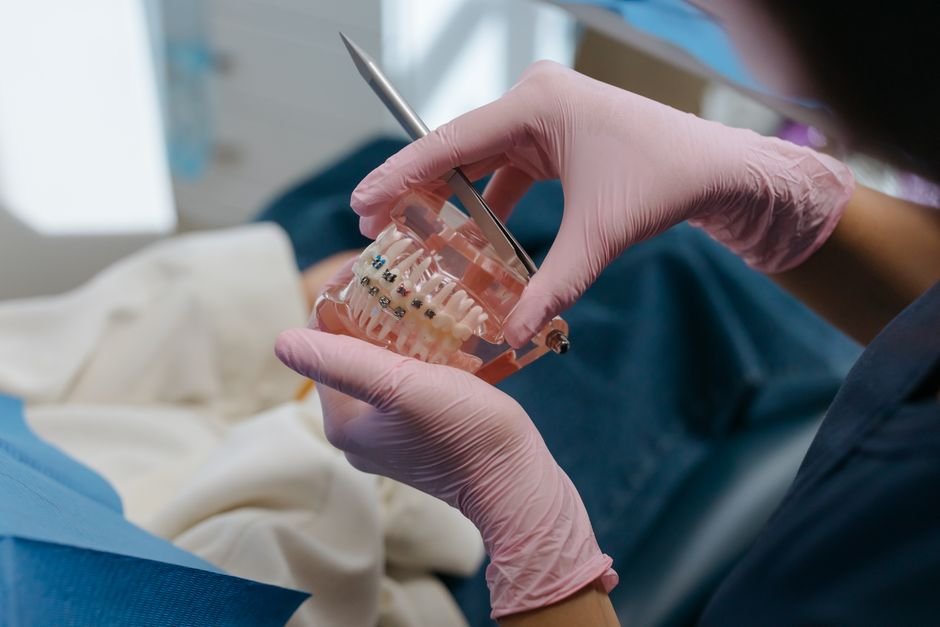
Orthodontic treatment often falls within the teenage years, and when braces or aligners are involved, oral hygiene becomes noticeably harder to maintain because food and plaque can get trapped around brackets and wires. Extra time and specific tools, such as interdental brushes or orthodontic flossers, usually become necessary during this period to keep both the teeth and the appliances clean.
Teenagers involved in contact sports benefit from properly fitted mouthguards to protect against dental injury, and this is also an age where independence in daily routines can lead to habits slipping, particularly around late-night snacking or skipped brushing during busy periods. Keeping communication open about why consistency still matters, rather than assuming the habit is fully established, helps prevent regression during these busier years.
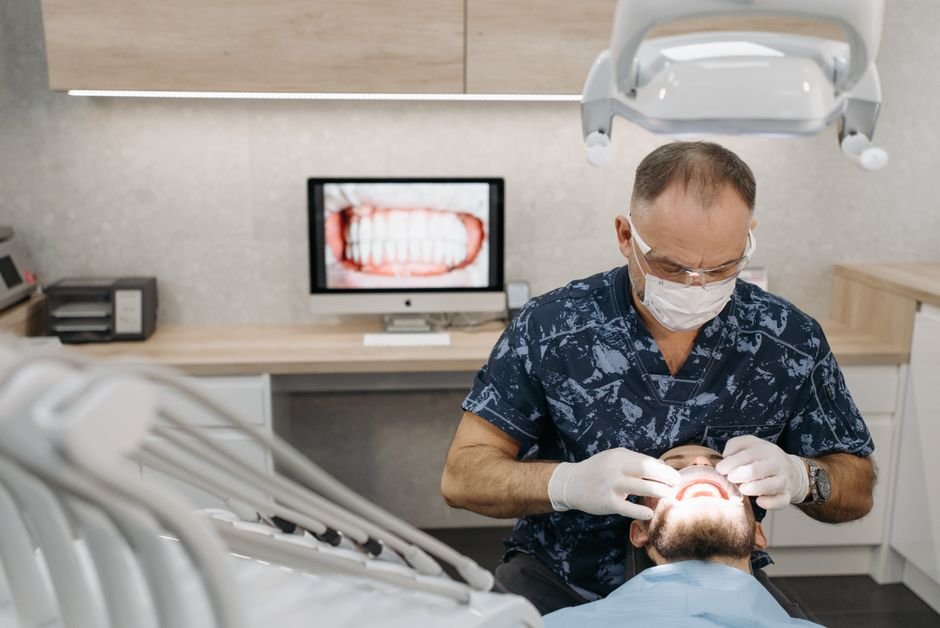
Adult dental care shifts focus somewhat from cavity prevention toward monitoring gum health, wear patterns, and the cumulative effects of decades of use, including old fillings or restorations that may need attention as they age. Gum disease becomes a more prominent concern in adulthood, often developing gradually and without obvious symptoms until it has progressed, which makes regular checkups particularly valuable during this stage.
Stress, career demands, and lifestyle factors like diet and sleep can all show up in adult oral health in ways that are easy to overlook, from teeth grinding linked to stress to changes in gum health linked to inconsistent routines during busy periods. Treating adult dental care as an ongoing process rather than something that only needs attention when a problem arises helps catch these changes early.
Older adults often face a combination of factors that change their dental care needs, including dry mouth caused by medications, reduced manual dexterity that can make thorough brushing more physically difficult, and the cumulative presence of crowns, bridges, or other restorative work that requires specific attention to maintain properly.
Dry mouth in particular deserves attention in this stage, since reduced saliva flow removes one of the mouth’s natural defences against decay and can make older adults more vulnerable to cavities even if they had excellent oral health for most of their life. Adjusting tools, such as switching to an electric toothbrush for easier handling, and staying attentive to hydration, can help offset some of these age-related changes.
Most households are managing several life stages simultaneously, a toddler building early habits, a teenager in braces, and a grandparent managing dry mouth, all under one roof, which means a single family routine rarely fits everyone equally well. Recognising that different family members genuinely need different approaches, rather than expecting a uniform routine to work for all ages, reduces frustration and improves consistency.
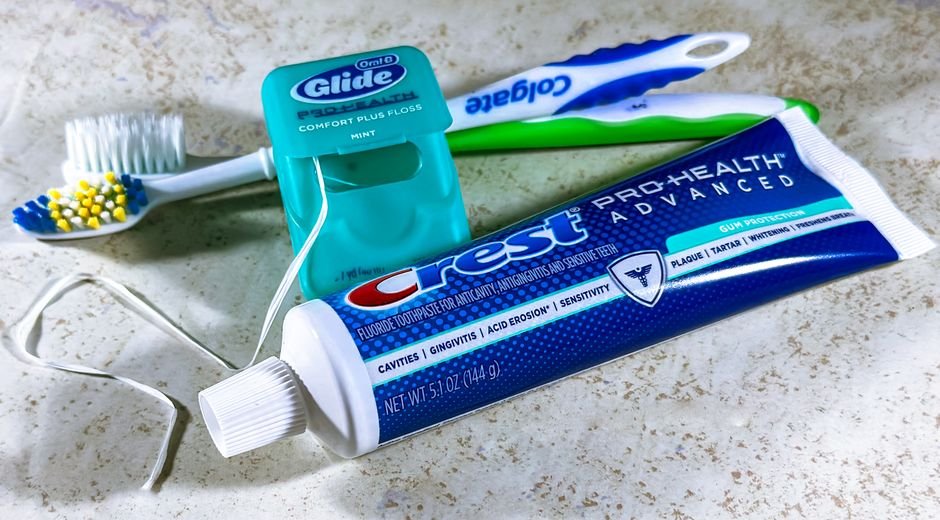
Staggering checkup appointments across the family calendar, keeping age-appropriate products stocked for each person, and having open conversations about what each family member’s routine actually involves can help a household stay organised. A family dentist who sees multiple generations of the same household often becomes a useful resource for tailoring advice to each specific stage represented in the family.
No family maintains a flawless routine at every stage, and expecting perfection tends to be less useful than aiming for consistency that can bend and adjust as circumstances change, whether that means a looser routine during a hectic school term or extra attention during orthodontic treatment. What matters most over the long run is that the habit of caring for teeth persists through transitions rather than dropping away entirely.
Viewing dental care as something that evolves alongside the family, rather than a fixed set of rules established once and never revisited, makes it easier to adapt when a new life stage introduces new challenges. This mindset also makes it easier to recognise when a family member’s needs have genuinely changed and a routine needs a deliberate update rather than sticking with what used to work.
Most guidance suggests a first dental visit within the child’s first year of life or shortly after the first tooth appears, since this establishes familiarity with dental visits early and allows a dentist to monitor development from the start.
Keeping communication open, explaining the reasoning behind routines rather than simply enforcing rules, and providing the right tools for any orthodontic appliances tends to work better than strict oversight alone during a stage focused on growing independence.
Gum disease often develops gradually over years of accumulated plaque exposure and can be influenced by factors like changing hormone levels, certain medications, and natural changes in the immune response, all of which become more relevant as adults get older.
Staying well hydrated, discussing medication side effects with a healthcare provider, and using dentist-recommended products designed for dry mouth can help offset reduced saliva flow and lower the associated cavity risk.
A family dentist experienced across age groups can be a practical choice for many households, since they can track each family member’s history and tailor advice appropriately, though some families choose specialists for specific needs like orthodontics.

What and when a family eats together has a surprisingly direct effect on children’s dental health, since mealtime patterns often

Children are far more likely to stick with good oral care habits when they see parents practising the same routines
Most dentists recommend a child’s first dental visit by their first birthday, or within six months of their first tooth
 English