








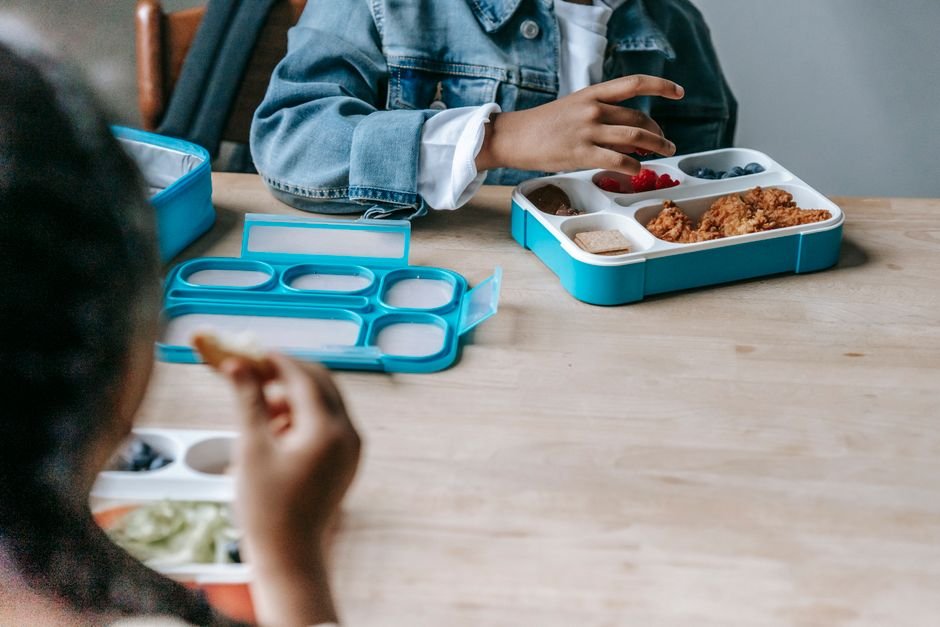

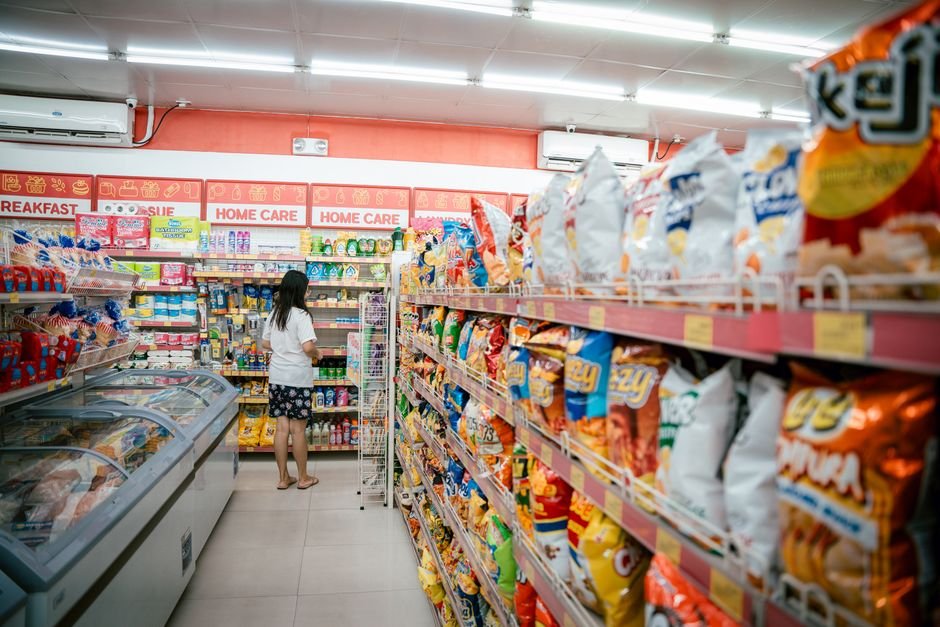





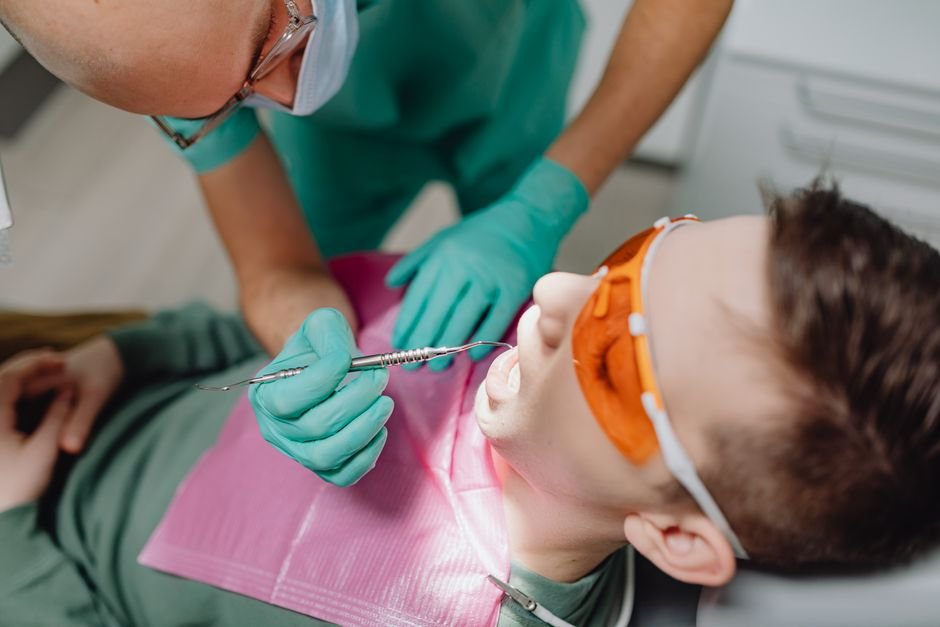
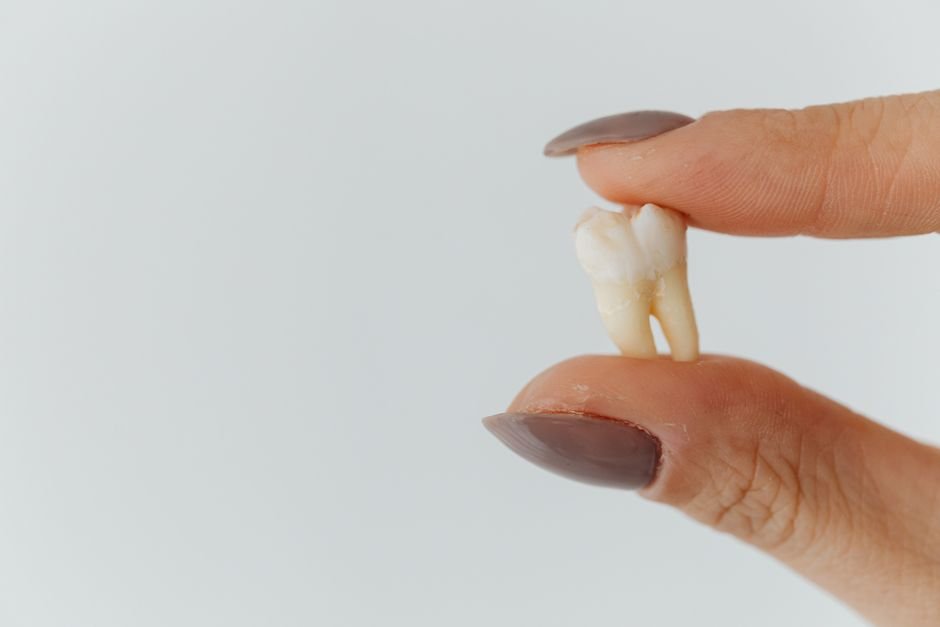



















A child’s diet affects cavity risk mainly through how often they eat or drink sugary and starchy foods, not just how much. Each time sugar reaches the teeth, mouth bacteria produce acid for around 20 to 40 minutes, softening enamel. Frequent snacking and sipping keep the teeth under near-constant acid attack, while meals spaced apart give saliva time to repair the damage. What children drink between meals matters as much as what they eat.
Key takeaways
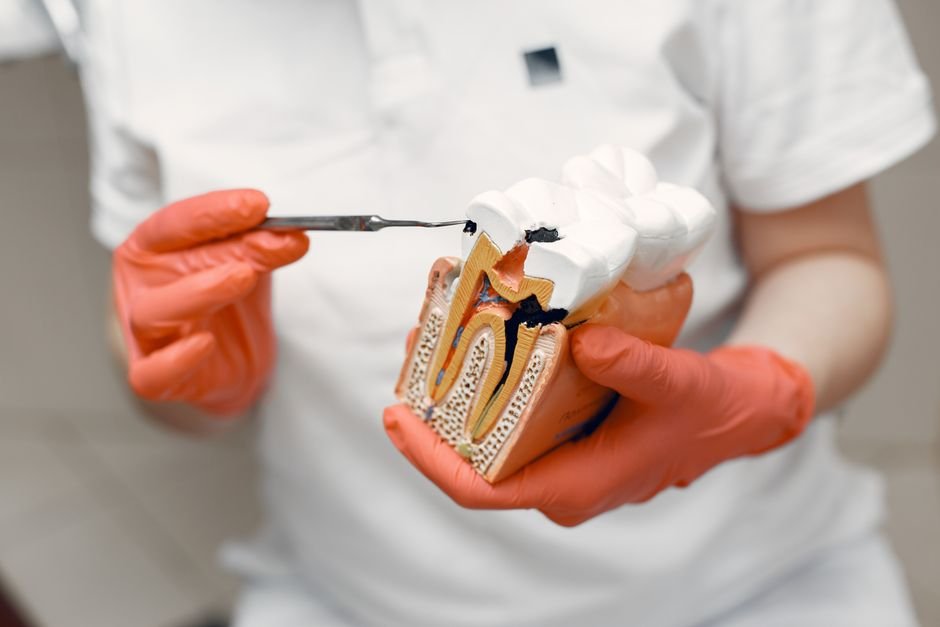
Cavities develop when the bacteria in dental plaque turn sugars from food into acid. That acid pulls minerals out of the enamel, the hard outer layer of the tooth. Saliva works constantly to buffer the acid and return minerals to the enamel, so in a balanced situation the tooth stays intact. A cavity appears when acid attacks happen so often that the loss of minerals outpaces the repair.
Children’s teeth are particularly vulnerable. The enamel on baby teeth is thinner than on adult teeth, and newly erupted adult teeth take a couple of years to fully harden. The deep grooves on back teeth trap food and plaque, and younger children often cannot clean thoroughly on their own. Diet is the factor parents can influence most directly.
Every time a child eats something containing sugar or refined starch, the mouth becomes acidic for roughly 20 to 40 minutes afterwards. During that window the enamel is losing minerals. If a child has three or four separate sugary snacks and drinks spread across the day, the teeth spend hours in that damaged state, with little time to recover in between.
The same amount of sugar eaten all at once, as part of a meal, causes a single acid attack rather than several. This is why a biscuit with lunch is far less harmful than the same biscuit eaten alone mid-afternoon, followed by a juice drink an hour later. Reducing the number of times teeth are exposed each day is one of the most effective things a family can do.
Sticky and chewy sugary foods are among the worst, because they cling to the teeth and to the grooves of the back molars, extending the time sugar is present. Dried fruit, toffee, chewy sweets and some cereal bars fall into this group, and dried fruit often surprises parents because it is seen as healthy. Hard sweets and lollipops are also a problem because they are in the mouth for a long time.
Refined starchy foods such as crisps, white bread and crackers break down into sugars in the mouth and can pack into tooth surfaces. Combined with a sugary drink, they create a strong acid effect. Foods that are eaten slowly, such as a sweet drink sipped over an hour or sweets nibbled during a car journey, are harmful out of proportion to their size because the exposure is drawn out.
Between meals, water and plain milk are the safest choices. Water contains no sugar or acid and helps rinse the mouth, and in many areas it contains fluoride that strengthens enamel. Plain milk provides calcium and does not cause a significant acid attack. Making these the default drinks throughout the day removes one of the biggest sources of frequent sugar exposure.
Fruit juice, smoothies, squash, flavoured milk and fizzy drinks all contain sugars and are often acidic as well. Even unsweetened juice releases the natural sugars from fruit in a form that bacteria can use. If these drinks are given, it is better to serve them with a meal, in a normal cup rather than a bottle or a sippy cup used over a long period, and not last thing before bed.
Yes. Cheese is a strong choice because it encourages saliva flow, helps neutralise acid and supplies calcium and phosphate that support enamel repair. Plain yoghurt without added sugar works similarly. Raw vegetables such as carrot sticks, cucumber and peppers are low in sugar and their texture stimulates saliva.
Other good options include plain nuts for children old enough to eat them safely, wholegrain crackers with cheese, and plain popcorn. Fresh fruit is far better than dried fruit because the water content dilutes the sugar and it is cleared from the mouth more quickly. The general aim is snacks that are low in sugar, not sticky, and eaten reasonably quickly.
Completely banning sweets is rarely realistic and can make them more appealing. A more workable approach is to keep them to mealtimes, when saliva flow is already high and the acid attack overlaps with one that is happening anyway. Having a small portion of something sweet straight after lunch or dinner is much kinder to teeth than the same treat given as a standalone afternoon snack.
It also helps to be deliberate rather than constant: a planned pudding a few times a week, or a treat on a particular day, rather than a steady trickle of sweet things every day. Encouraging children to finish a treat rather than graze on it, and following it with water, further reduces the impact.
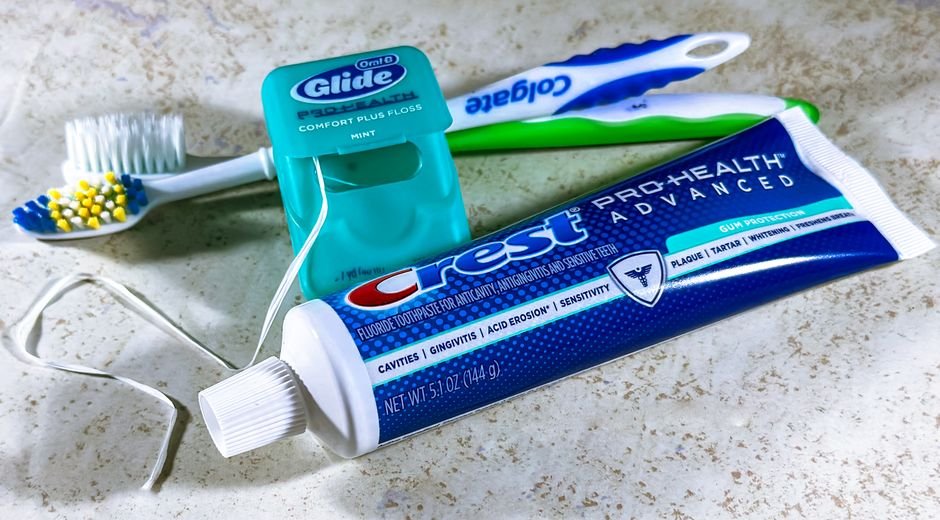
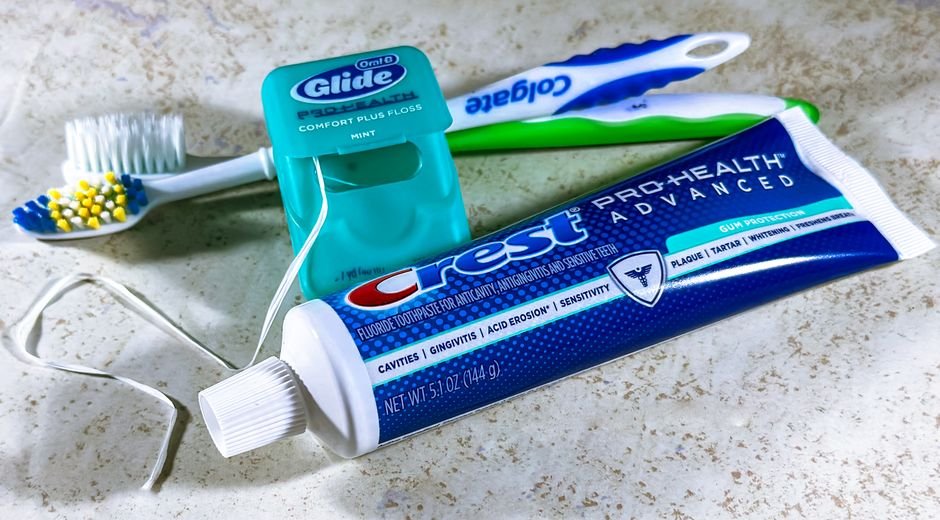
They work together. A tooth-friendly diet reduces the number and strength of acid attacks, while fluoride toothpaste helps the enamel resist acid and repair itself between meals. Neither fully compensates for the other. A child with an excellent diet still needs to brush twice a day with a fluoride toothpaste, and a child who brushes well can still get cavities if they are exposed to sugar many times a day.
Timing matters too. It is best to brush last thing at night and at one other time, and to avoid brushing immediately after acidic food or drink, waiting about an hour so the softened enamel can reharden first. Spitting after brushing but not rinsing with water leaves a protective layer of fluoride on the teeth.
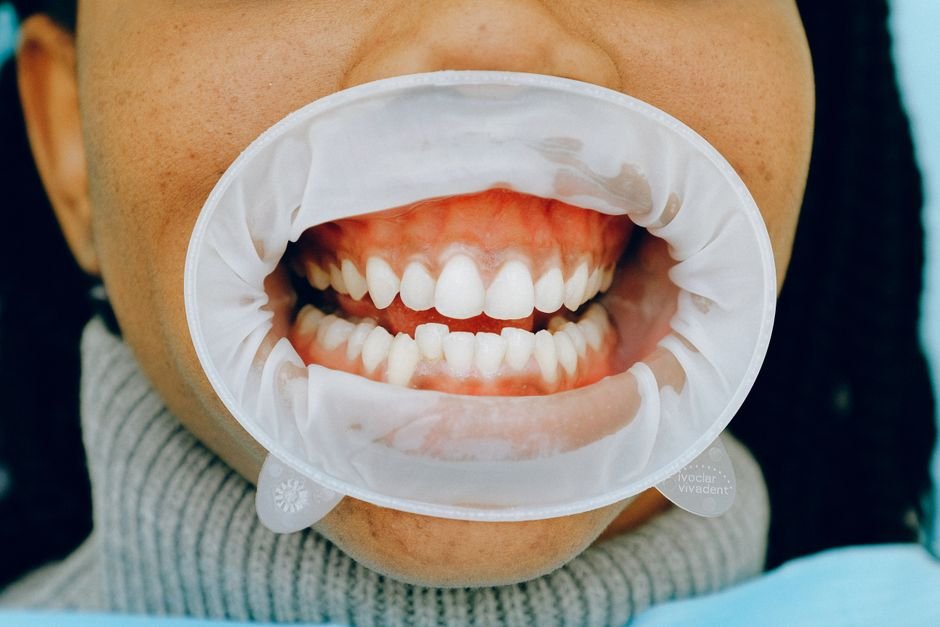
The earliest sign is often a dull white line or patch along the gumline, which shows that enamel is losing minerals. At this stage the process can sometimes be halted or reversed with better diet, fluoride and cleaning. If it progresses, the area may turn brown or develop a visible hole, and the child may complain of sensitivity to sweet, hot or cold, or pain when biting.
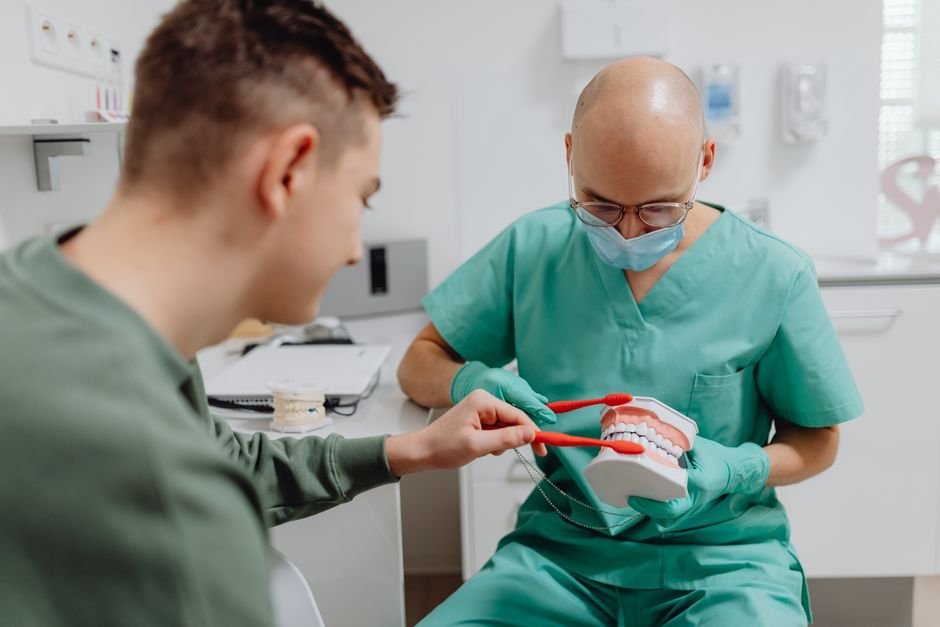
Because young children do not always report discomfort clearly, regular dental check-ups are important for catching decay early. A dentist can spot changes long before they become painful and advise on diet and prevention tailored to the child. Bringing children to the dentist from an early age also helps them feel comfortable with visits.
Whole fresh fruit is much less of a concern because its water content dilutes the sugar and it is cleared from the mouth quickly. Fruit juice and dried fruit are more of a problem, as the sugars are concentrated and, in the case of dried fruit, stick to the teeth for a long time.
Aiming for three meals and one or two planned snacks a day, with only water or milk in between, keeps acid attacks to a manageable number. Constant grazing and sipping is the pattern most strongly linked to cavities.
Yes. Baby teeth hold space for adult teeth, help with eating and speech, and decay in them can be painful and can affect the developing adult teeth beneath. Habits formed around baby teeth also carry into adulthood.
After a meal. Saliva flow is already high, and the sugar adds to an acid attack that is happening anyway rather than creating a separate one. A sweet snack eaten alone between meals causes its own dedicated acid attack and is harder on the teeth.
Early white spots, where enamel has lost minerals but no hole has formed, can sometimes be halted or partly reversed with improved cleaning, fluoride and reduced sugar frequency. A dentist should assess it to confirm the stage and advise on the best approach.

What and when a family eats together has a surprisingly direct effect on children’s dental health, since mealtime patterns often

Children are far more likely to stick with good oral care habits when they see parents practising the same routines
Most dentists recommend a child’s first dental visit by their first birthday, or within six months of their first tooth
 English