

























Oral habits shape family wellness because the mouth is where daily health routines are most visible and most shared. When a household brushes twice a day, cleans between the teeth, drinks water instead of sugary drinks, and attends regular check-ups, those habits reinforce each other and spill over into eating patterns, sleep and general self-care. Children copy what they see, so parents who model good oral care pass on more than clean teeth: they pass on the idea that looking after your body is a normal, everyday routine rather than something you do only when a problem appears.
Key takeaways
Brushing is one of the first health routines a child learns, usually years before they understand nutrition or exercise. It happens twice a day, every day, at predictable times, which makes it a natural anchor for other habits. A family that reliably brushes before bed often finds it easier to keep a consistent bedtime, a wind-down routine and a calm end to the day.
The mouth also gives quick feedback. Skipped brushing leads to a furry feeling and bad breath; too much sugar leads to sensitivity and cavities. These visible, personal consequences help children connect actions with outcomes in a way that is harder to see with things like heart health. Learning that early, in the context of the family routine, builds a general sense that daily choices matter.
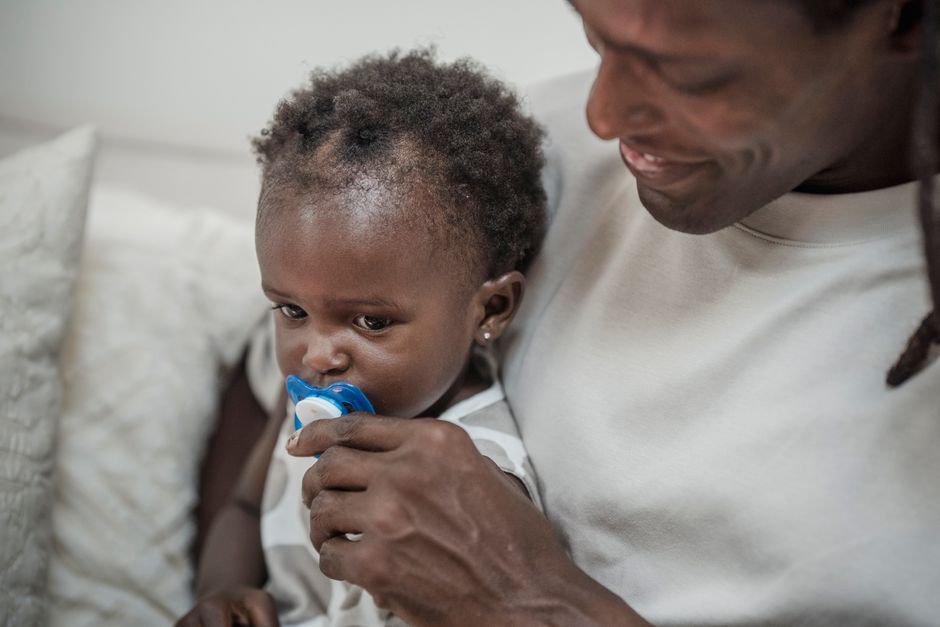
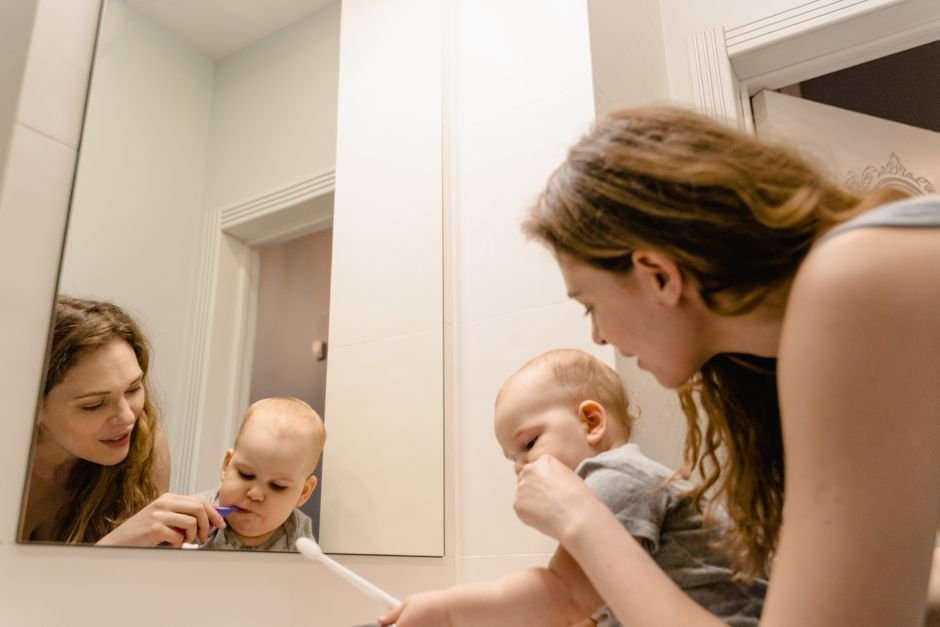
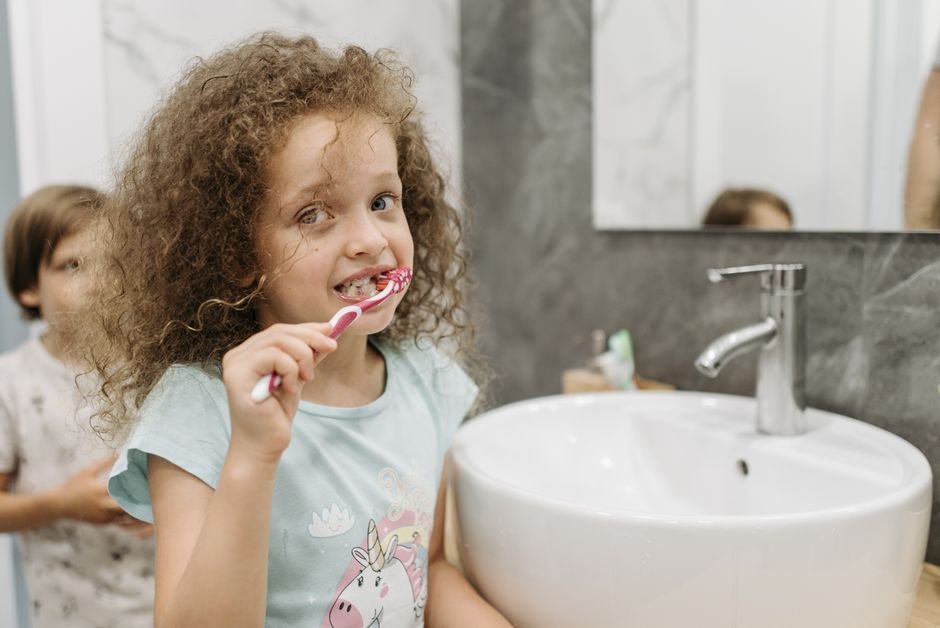
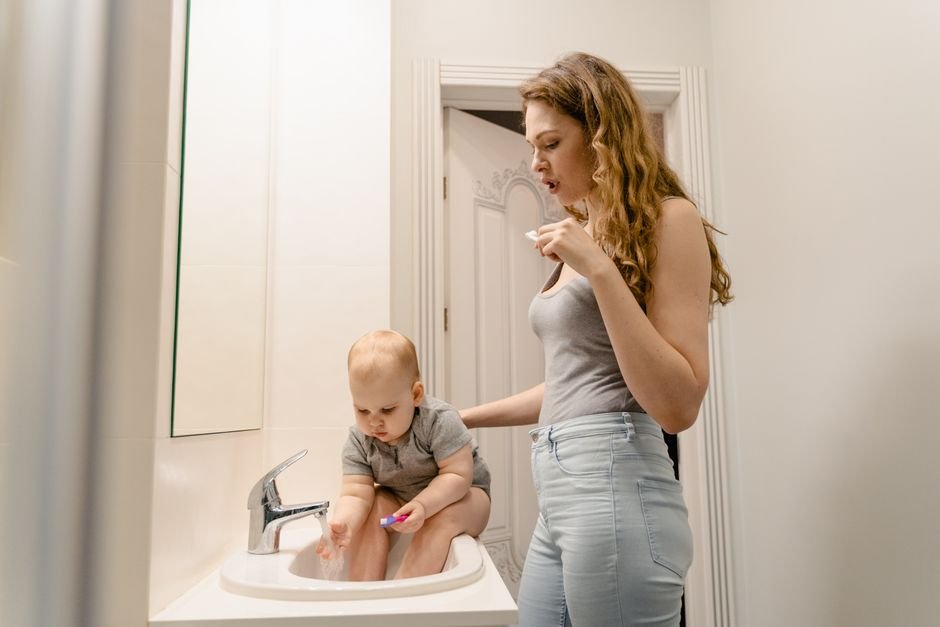
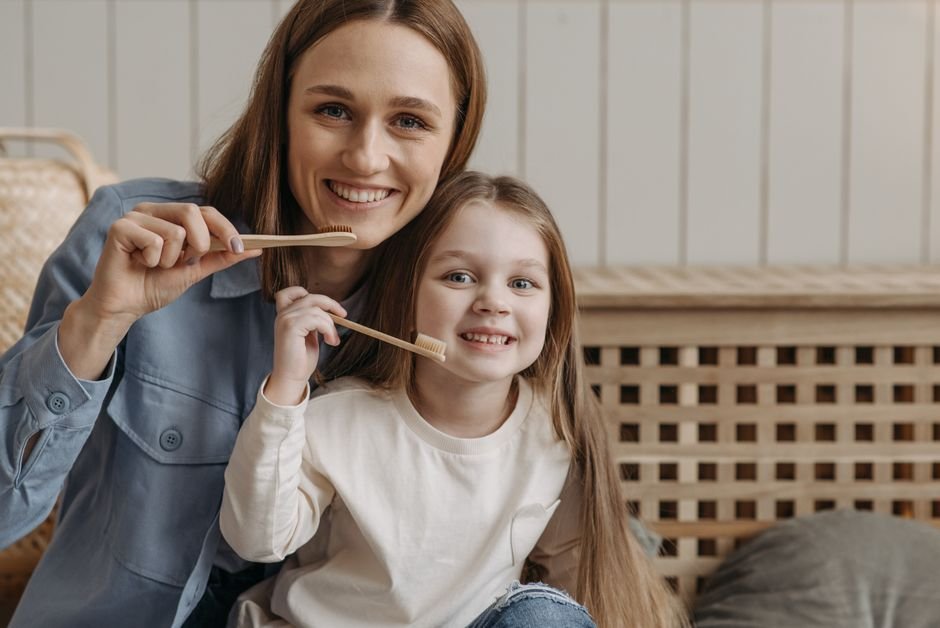
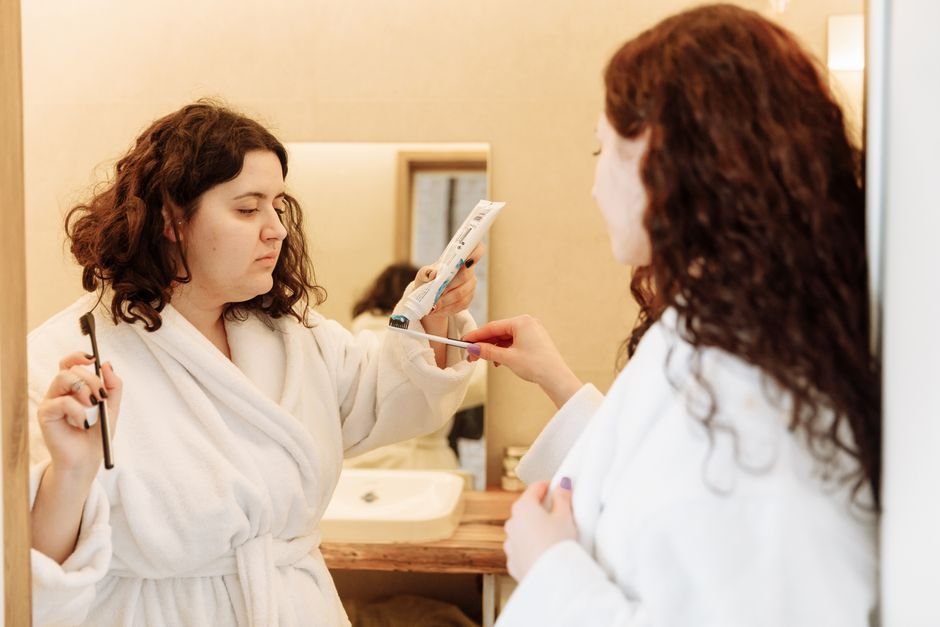
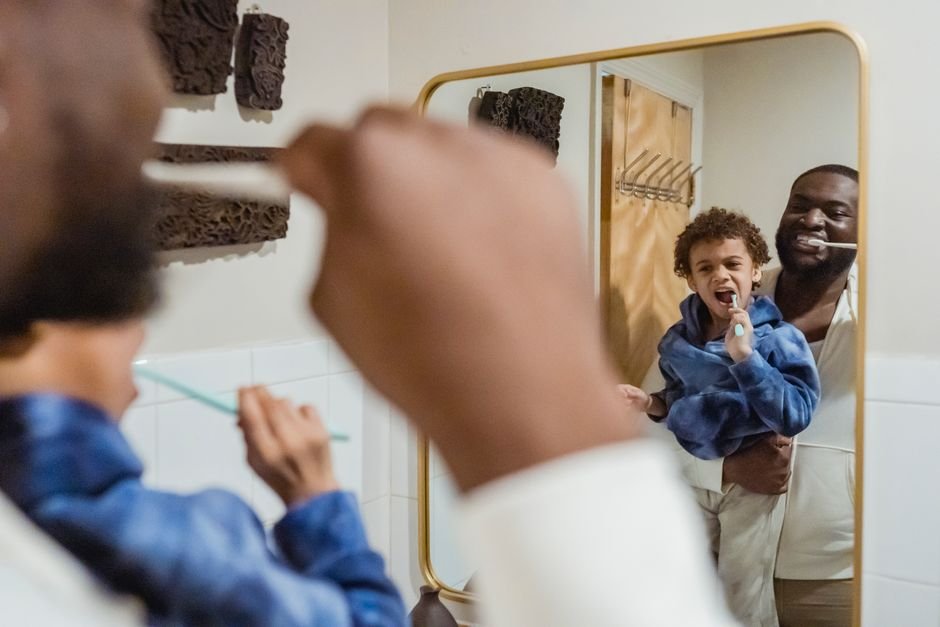
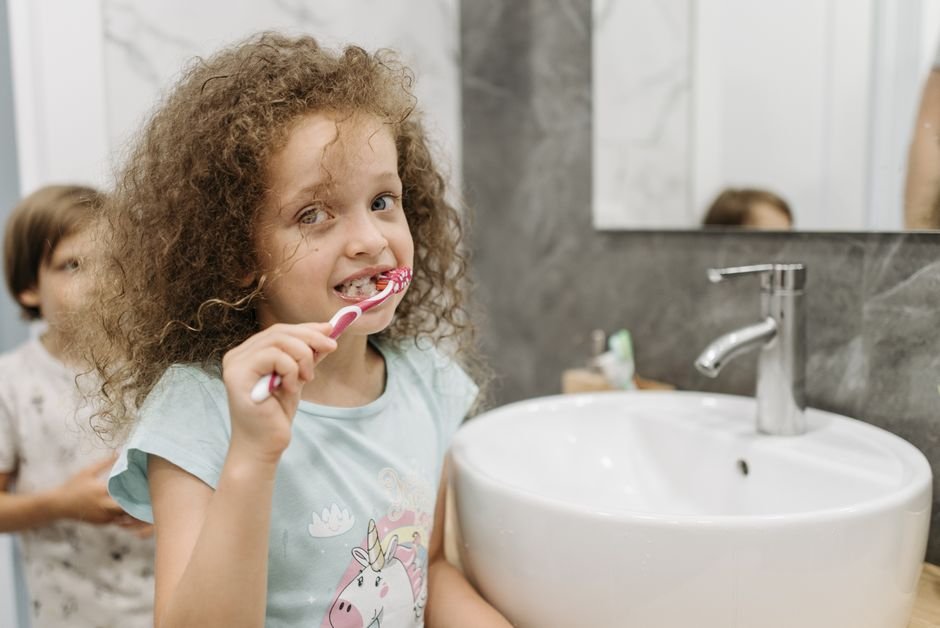
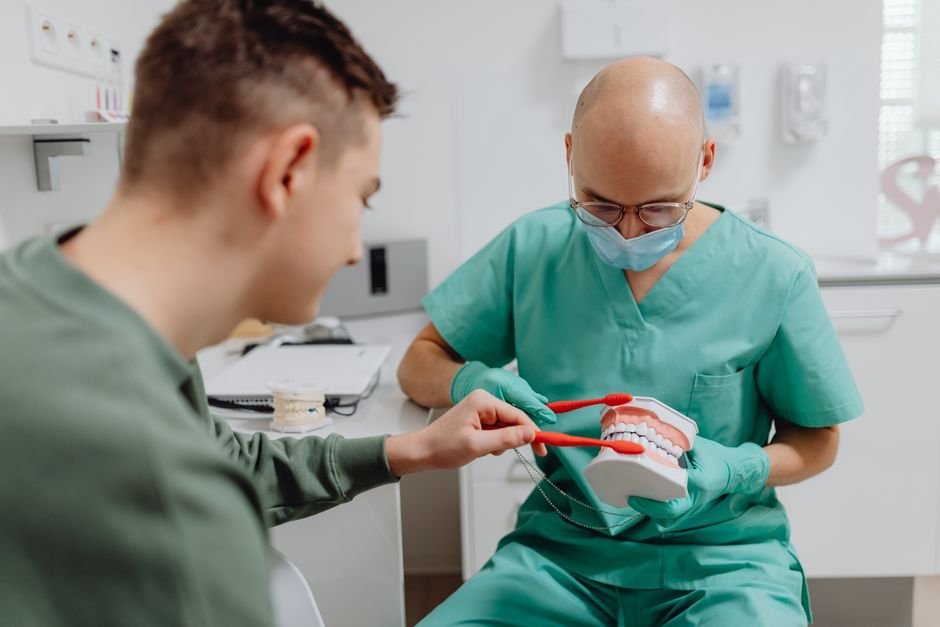
Young children learn oral care by imitation far more than by instruction. A toddler who watches a parent brush every morning and evening absorbs the routine as simply what people do. Telling a child to brush while they never see an adult do it sends a weaker message. Brushing together, even for a minute, is one of the most effective teaching tools available.
Older children respond to being given gradual responsibility. Letting them choose their toothbrush, hold the timer, or teach a younger sibling gives them ownership. Parents still need to check or help with brushing until around age seven, when hand control matures, but the aim throughout is to hand over a habit the child values, not one they only perform under supervision.
Fixing oral care to set moments in the day removes the need for reminders and arguments. Common anchors are straight after breakfast and immediately before the bedtime story or lights out. When the routine is the same every day, even young children stop resisting it because they know it is simply part of the sequence.
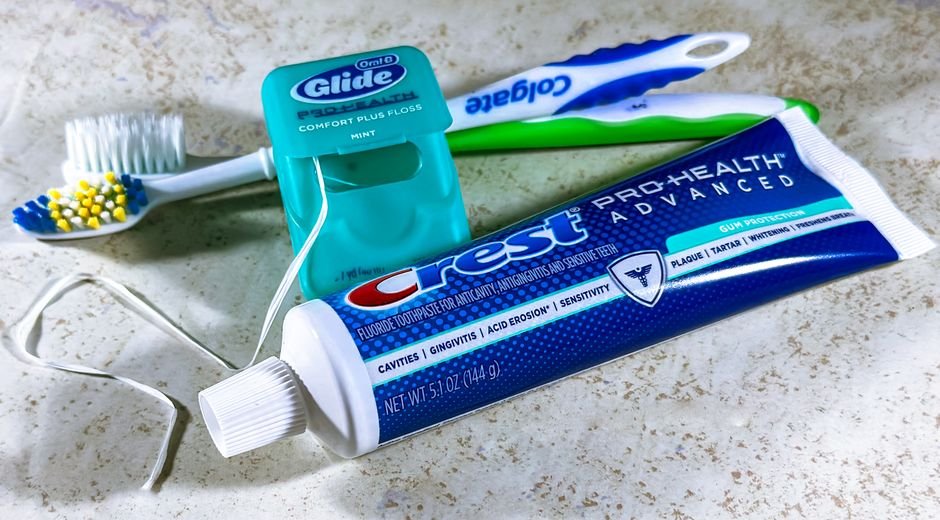
Practical touches make shared routines stick: keeping spare brushes by the kitchen sink for busy mornings, a family travel kit that lives in a bag, and a simple chart on the bathroom wall for younger children. Some families brush together as a two-minute pause in the evening, which doubles as a moment of calm connection before bed. The specific system matters less than everyone following the same one.
The links run in several directions. Long-term gum inflammation is associated with conditions such as heart disease and poorly controlled blood sugar, so keeping gums healthy is part of general health, not separate from it. Painful or missing teeth change what a person can comfortably eat, often reducing fresh fruit, vegetables and protein in favour of soft, processed foods.
Sleep is affected too. Untreated toothache disturbs rest for children and adults alike, and habits such as night-time grinding can both disrupt sleep and signal stress. Even self-confidence has a physical basis in the mouth: people who are happy with their smile tend to speak and socialise more freely. A family that keeps on top of oral health removes a common, avoidable drag on wellbeing.
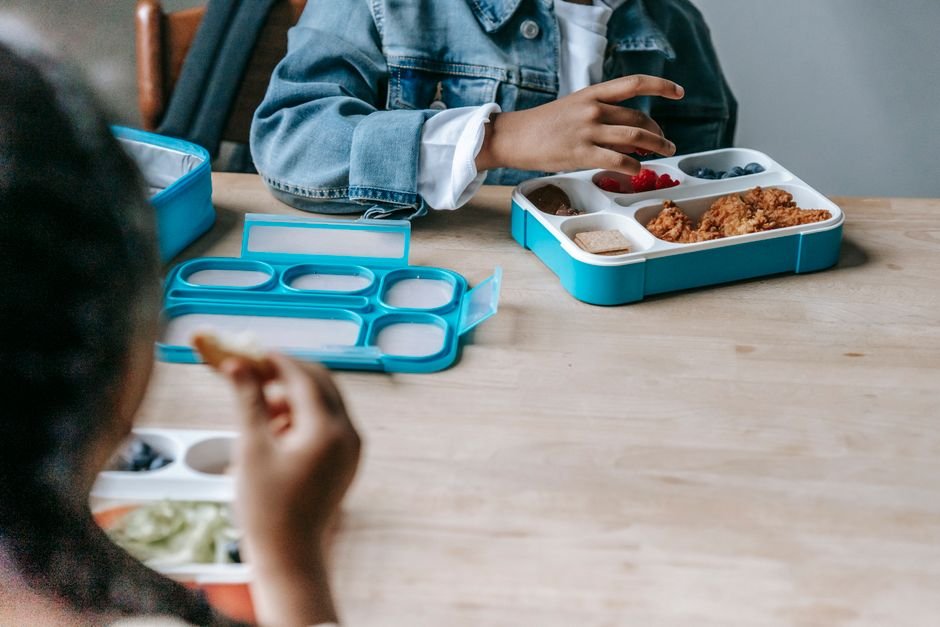
Every time sugar or acidic drink reaches the teeth, there is an acid attack that takes up to an hour for saliva to repair. Frequent snacking and sipping means the teeth never recover. The habit that protects enamel keeps sweet foods, juice and fizzy drinks to mealtimes and keeps water and plain milk as the go-to choices in between.
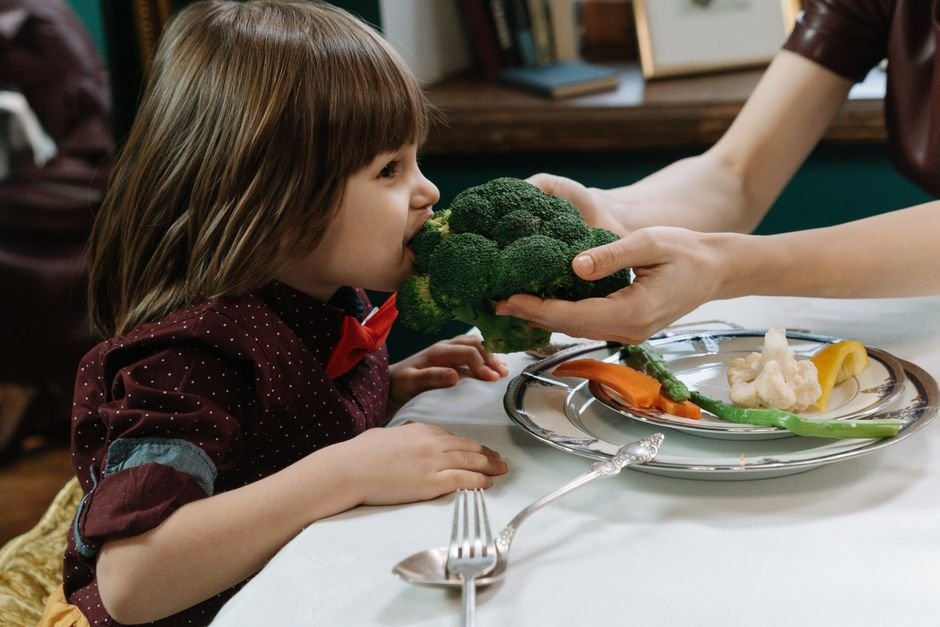
These same choices support broader wellness. Water instead of sugary drinks reduces overall sugar intake for the whole family. Meal-based eating rather than constant grazing steadies energy and appetite. Low-risk snacks that are also tooth-friendly, such as cheese, plain yoghurt, vegetables and nuts for older children, are nutritious in their own right. Good oral habits and good nutrition largely point in the same direction.
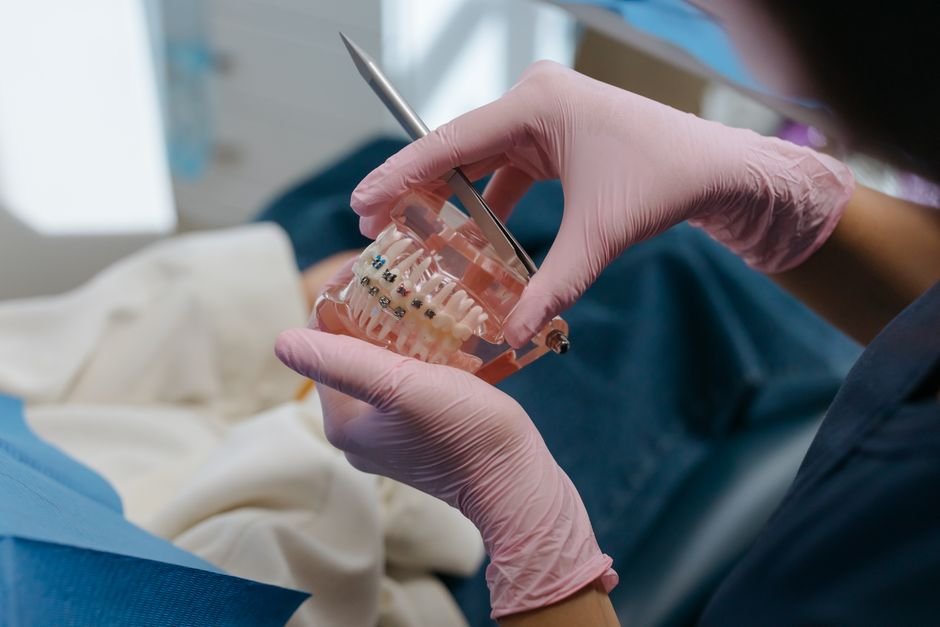
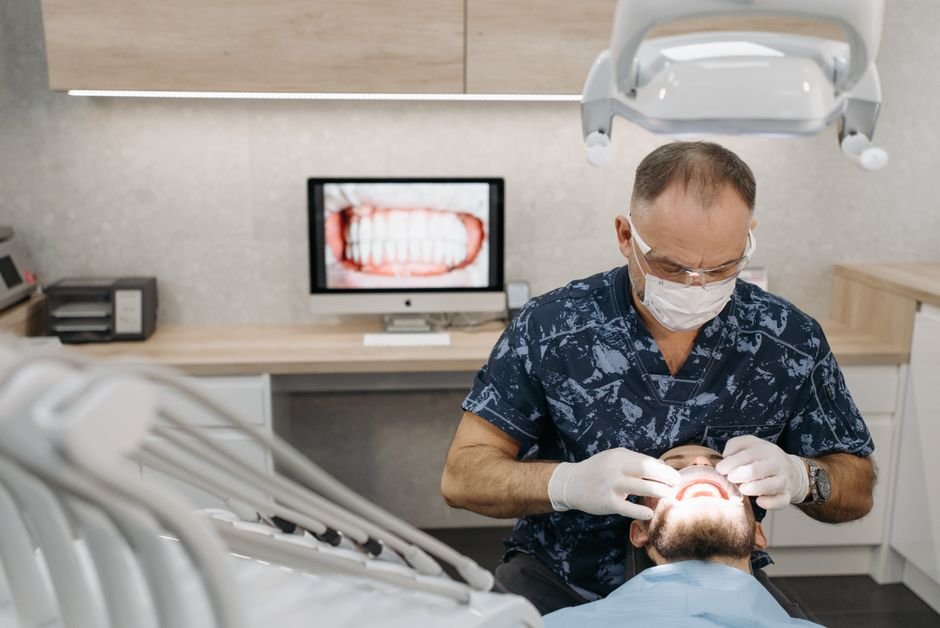
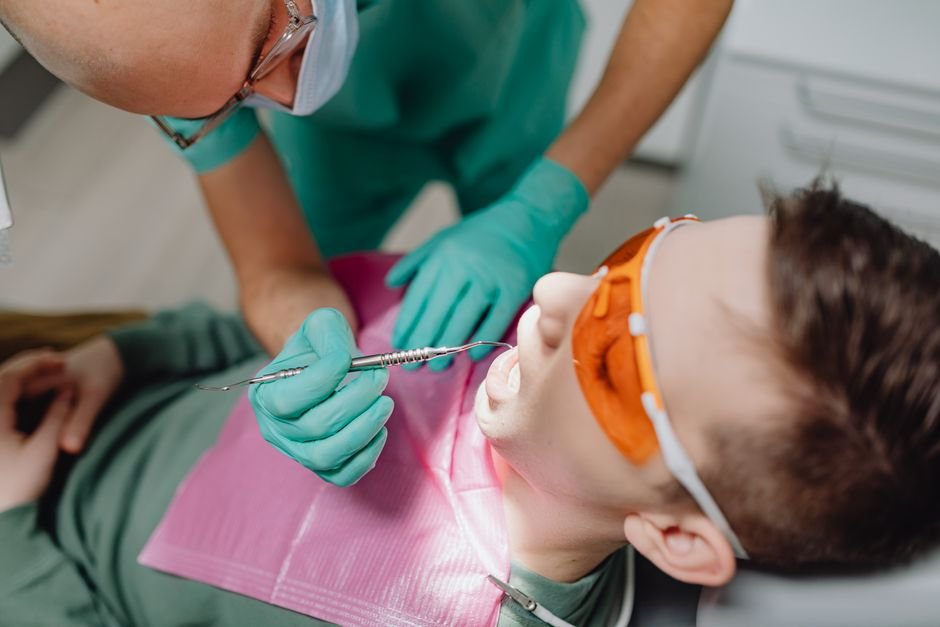
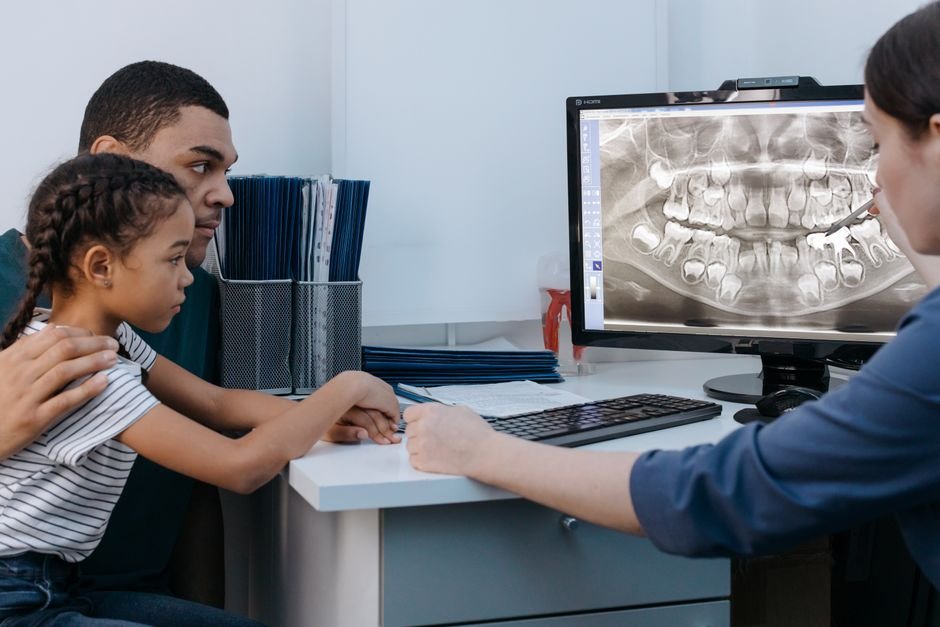
Booking the whole family into check-ups together, at an interval the dentist recommends, keeps everyone on the same schedule and makes the next round easy to remember. Regular visits catch decay and gum problems while they are small and simple to treat, which avoids the disruption of emergency appointments and time off school or work.
For children, frequent early visits build a comfortable relationship with the dental team, so check-ups feel routine rather than frightening. This carries into adulthood as a willingness to seek care promptly. The visit is also a chance for the family to ask about technique, products and diet, turning the dentist into a regular source of health guidance rather than someone seen only in a crisis.
Habits most often slip during busy or stressful periods, in the teenage years when supervision drops, and around disrupted routines like holidays or moving house. The early signs are easy to miss: brushing that gets rushed, more sugary drinks, skipped flossing, a postponed check-up. Left unchecked, these lead to cavities, bleeding gums and, over time, more complex treatment.
Because oral habits are so visible, they are also a useful early warning for the household. A parent noticing that the evening routine has fallen apart can often trace it to a wider change in family rhythm and address both together. Rebuilding the routine, usually by re-anchoring it to fixed daily events, tends to bring other slipping habits back with it.
Keeping it light works better than nagging. Music, a two-minute song, letting children pick their own brush, and brushing alongside them all make the routine something the family does rather than something imposed. For younger children, a sticker chart that rewards turning up for the routine, not perfect technique, keeps motivation high.
Framing matters as well. Talking about strong teeth for eating the foods you enjoy, or a fresh mouth for the day ahead, is more motivating than warnings about decay. Celebrating good check-up results as a family achievement links oral care to a sense of shared success. Over years, these small positive associations are what make the habit last into adulthood and pass to the next generation.
The teenage years are when established routines are tested. Later nights, sports and energy drinks, and snacking around study or screens all raise the risk of decay and enamel wear at exactly the point when parents step back from supervision. Habits that were built earlier tend to survive this period, while routines that always depended on reminders often fall away.
Practical support works better than lectures. Keeping the fridge stocked with water rather than fizzy drinks, providing sugar-free gum for use after lunch, and making sure each teenager has their own good toothbrush and a spare all help the routine continue. Keeping the conversation open and low-key, rather than turning oral care into a source of conflict, keeps it linked to self-care rather than parental control.
A few adjustments deliver most of the benefit. Anchoring brushing to fixed daily events removes the daily negotiation. Switching the default household drink to water cuts sugar across every age at once. Spitting after brushing without rinsing leaves protective fluoride on the teeth at no extra cost or effort.
Booking the whole family’s check-ups in one block keeps everyone on schedule and makes prevention automatic. None of these changes require special products or much time, and each one reinforces the others. Together they turn oral care from a series of individual struggles into a single shared routine that quietly supports the family’s wider wellbeing.
Start cleaning your child’s teeth as soon as the first one appears, using a smear of fluoride toothpaste on a small soft brush. Building the routine from infancy means brushing is simply normal by the time the child is old enough to resist it, and it sets the pattern for the whole family.
Yes. Young children learn oral care mainly by copying adults and siblings, so seeing a parent brush every day is a stronger teacher than instruction alone. Brushing together also builds consistency for the household and can be a calm shared moment before bed.
Sugary and acidic drinks cause repeated acid attacks on enamel, especially when sipped through the day. Keeping water and plain milk as the everyday drinks, with sweet drinks limited to mealtimes, protects teeth and also lowers the family’s overall sugar intake, which supports general health.
Booking everyone into consecutive appointments keeps the whole family on the same schedule, makes the next visit easy to remember, and saves time. It also helps children see check-ups as a normal routine, which reduces dental anxiety later in life.
Re-anchor brushing to a fixed daily event, such as immediately before the bedtime story, so it no longer depends on anyone remembering. Keep the tools visible, brush together for the first week or two to rebuild the habit, and treat a quick brush on hectic nights as still worthwhile.

What and when a family eats together has a surprisingly direct effect on children’s dental health, since mealtime patterns often

Children are far more likely to stick with good oral care habits when they see parents practising the same routines
Most dentists recommend a child’s first dental visit by their first birthday, or within six months of their first tooth
 English