





















If your child chips a tooth, stay calm, rinse their mouth gently with warm water, and check the size of the chip and whether there is bleeding or pain. Save any broken fragment in milk or saliva. Most small chips are not emergencies and can be seen by a dentist within a day or two, but book an urgent appointment if the tooth is painful, sensitive to air or temperature, wobbly, pushed out of position, or if a large piece is missing and the inside of the tooth looks pink or red. Prompt assessment protects the nerve and the developing adult tooth underneath.
Key takeaways
Your child will often be more frightened than hurt, so reassurance comes first. Sit them down, help them rinse their mouth with warm water to clear away any debris, and look inside with a good light. If the lip or gum is bleeding, press a clean piece of gauze or a damp cloth against the area for a few minutes until it stops. A cold compress held against the lip or cheek from the outside reduces swelling and eases discomfort.
Try to find the piece that broke off. If it is a reasonable size, a dentist can sometimes bond it back onto the tooth, particularly on a front adult tooth. Keep the fragment moist by placing it in a small container of milk, or have your child hold it inside their cheek if they are old enough not to swallow it. A dry fragment is much less useful, so do not wrap it in tissue.
Many chips are minor: a small rough edge, a lost corner, no pain. These are best seen by a dentist soon but do not need an out-of-hours visit. You can smooth the situation by giving age-appropriate pain relief if needed and keeping your child on soft foods.
Seek urgent dental care the same day if the tooth is painful or very sensitive to cold air and drinks, if a large piece is gone and you can see a pink or bleeding spot in the middle of the tooth, if the tooth is loose, moved, or pushed up into the gum, or if your child cannot close their teeth together normally. Also seek medical attention if there was a blow to the head, loss of consciousness, or a deep cut that may need stitches.
Yes, baby teeth are worth looking after even though they will eventually fall out. They hold space for the adult teeth, help your child chew and speak clearly, and a damaged one can become infected. A dentist will check whether the chip has exposed the nerve and whether the developing adult tooth in the gum has been affected by the same knock.
Treatment for a chipped baby tooth is often simple: smoothing a sharp edge, or a small tooth-coloured filling to rebuild the corner. If the nerve is exposed or the tooth is badly broken, the dentist may recommend a small nerve treatment or, occasionally, removal if the tooth cannot be saved. Leaving an injured baby tooth unchecked risks pain and infection that can disturb the adult tooth beneath.
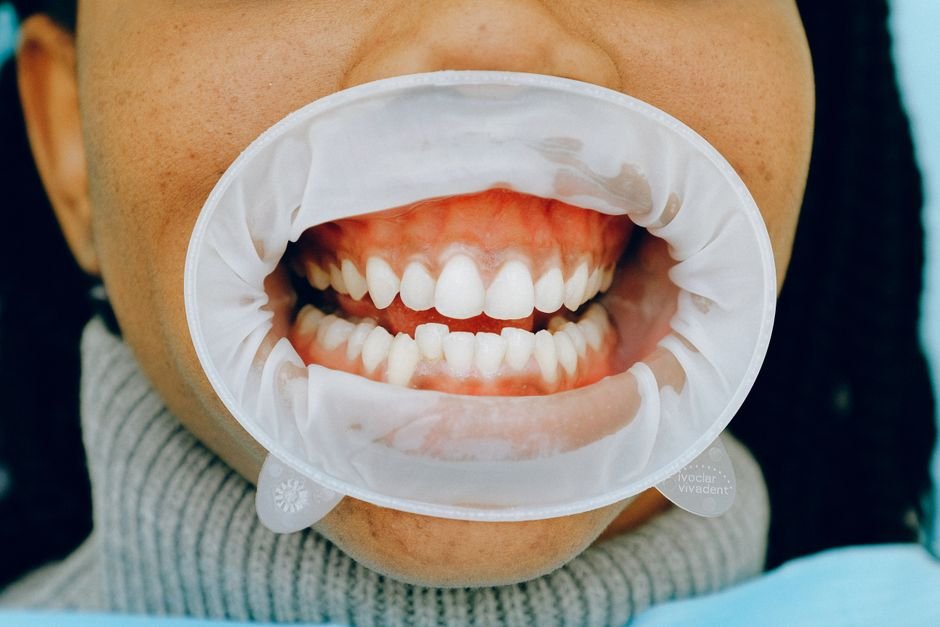
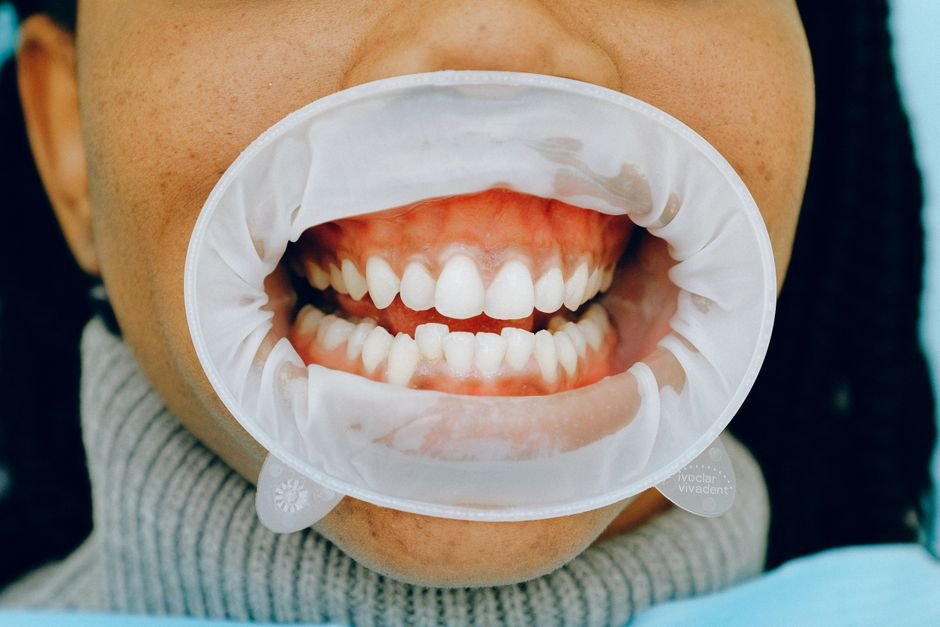
For a permanent front tooth, the most common repair is composite bonding, where the dentist builds up the missing part with tooth-coloured resin in a single visit. If you kept the broken fragment and it fits well, it can sometimes be re-attached, which gives a very natural result. Larger breaks may eventually need a veneer or crown once the child is older and the gums have matured.
If the chip has exposed the nerve, the tooth will usually be sensitive and needs prompt attention to keep it alive. In a young permanent tooth the roots are still forming, so dentists try hard to preserve the nerve with a protective dressing rather than a full root canal. Follow-up appointments over the next year check that the tooth stays healthy, because problems can appear months after the injury.
Give a soft diet of foods that need little chewing, such as yoghurt, pasta, mashed potato, eggs and smoothies, and ask your child to avoid biting with the injured tooth. Very hot and very cold foods and drinks can trigger sensitivity, so lukewarm options are easier. If a jagged edge is rubbing the tongue or lip, a small piece of orthodontic wax or sugar-free chewing gum pressed over it gives temporary relief.
Age-appropriate pain relief, given according to the packaging or your pharmacist’s advice, helps with soreness in the first day or two. Keep the area clean by continuing gentle brushing around the tooth, even if your child is nervous about touching it, because a clean tooth heals and responds to treatment better. Contact the dentist if pain increases, the gum swells, or your child develops a fever.
Sometimes. A tooth that seemed fine immediately after an injury can darken over the following weeks or months, which suggests the nerve has been damaged and may need treatment. A small pimple-like spot on the gum above the tooth can indicate infection. Both are reasons to return to the dentist even if your child has no pain.
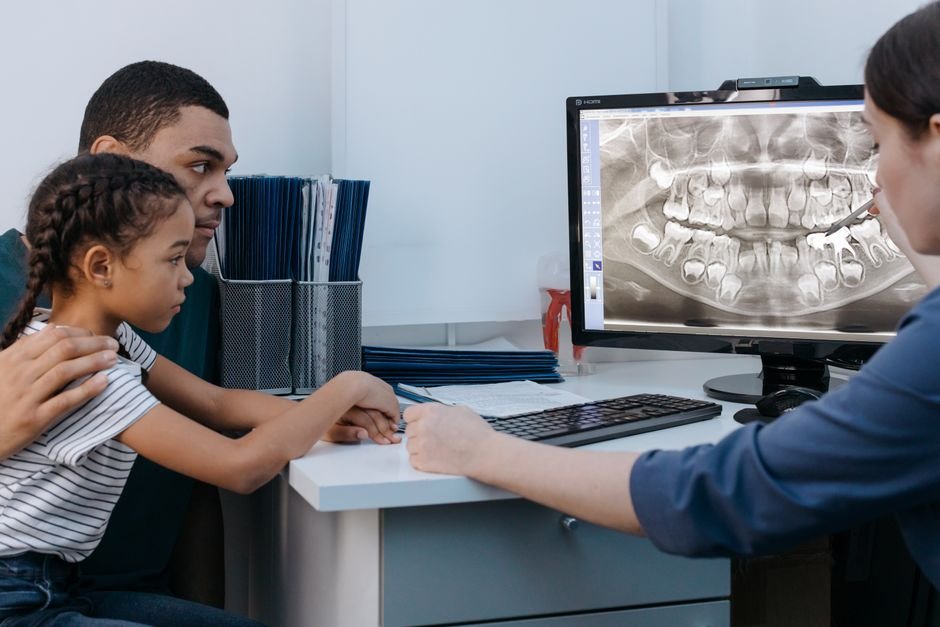
This is why dentists usually arrange review appointments and sometimes X-rays after a dental injury. For baby teeth, they also watch the adult tooth as it develops, since a knock to a baby tooth can occasionally leave a mark or a change in shape on the permanent tooth. Keeping these follow-up visits is an important part of care, not an optional extra.
Many chipped teeth happen during sport, cycling and play. A properly fitted mouthguard is strongly recommended for any contact or collision sport, and for activities like skateboarding and hockey. Custom mouthguards made by a dentist fit best and are most likely to be worn, but a good boil-and-bite guard is far better than nothing.
At home, the usual toddler safety measures help: padding sharp furniture corners, using stair gates, and supervising bath time and climbing. Discourage children of all ages from chewing pens, ice and hard sweets, and from using their teeth to open packaging. Treating existing decay promptly also matters, because weakened teeth chip far more easily than healthy ones.
Dental injuries sometimes come with injuries that need medical attention first. If your child was knocked out, is drowsy, vomiting, or confused, or had a significant blow to the head, seek medical help straight away. Deep cuts to the lip, tongue or face, especially if gaping or still bleeding after ten minutes of pressure, may need stitches.
If a tooth or fragment cannot be found and your child was struck in the mouth, mention this to the medical team, as occasionally a piece can be pushed into the lip or, rarely, inhaled. Once any medical concerns are addressed, arrange dental assessment as soon as possible so the tooth itself can be treated while the outcome is still good.
A small chip with no pain, no looseness and no visible pink spot in the middle of the tooth is not an emergency. Book a routine dental appointment within a day or two so the edge can be smoothed or rebuilt and the tooth checked. Keep your child on soft foods until then.
Yes. Put it in a small container of milk, or have an older child hold it in their cheek, to keep it moist. A dentist can sometimes bond a fragment back onto a front tooth for a very natural repair. Do not let it dry out or wrap it in tissue.
Baby teeth hold space for adult teeth, help with chewing and speech, and can become infected if damaged. An untreated injured baby tooth can also affect the adult tooth developing beneath it. Repairs are usually quick and simple, such as smoothing the edge or a small filling.
A tooth that darkens weeks or months after an injury has often suffered nerve damage. It may not hurt, but it should be checked by a dentist, who may take an X-ray and advise treatment or monitoring. Grey discolouration with swelling or a gum pimple needs prompt attention.
Use a well-fitted mouthguard for sport and wheeled activities, childproof sharp edges and stairs at home, and discourage chewing on pens, ice and hard sweets. Keeping existing decay treated also helps, because healthy teeth are much more resistant to chipping than weakened ones.

What and when a family eats together has a surprisingly direct effect on children’s dental health, since mealtime patterns often

Children are far more likely to stick with good oral care habits when they see parents practising the same routines
Most dentists recommend a child’s first dental visit by their first birthday, or within six months of their first tooth
 English