



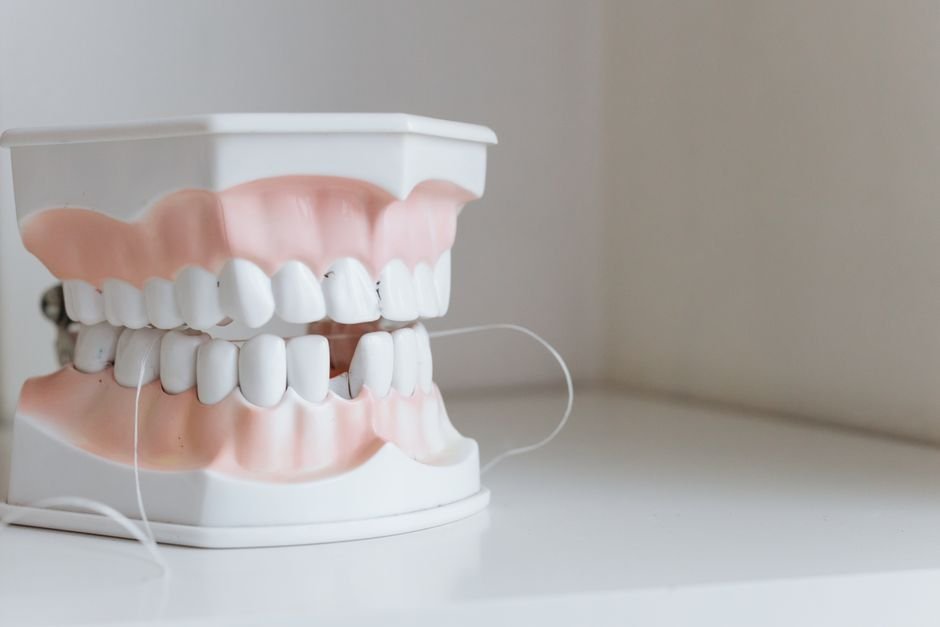

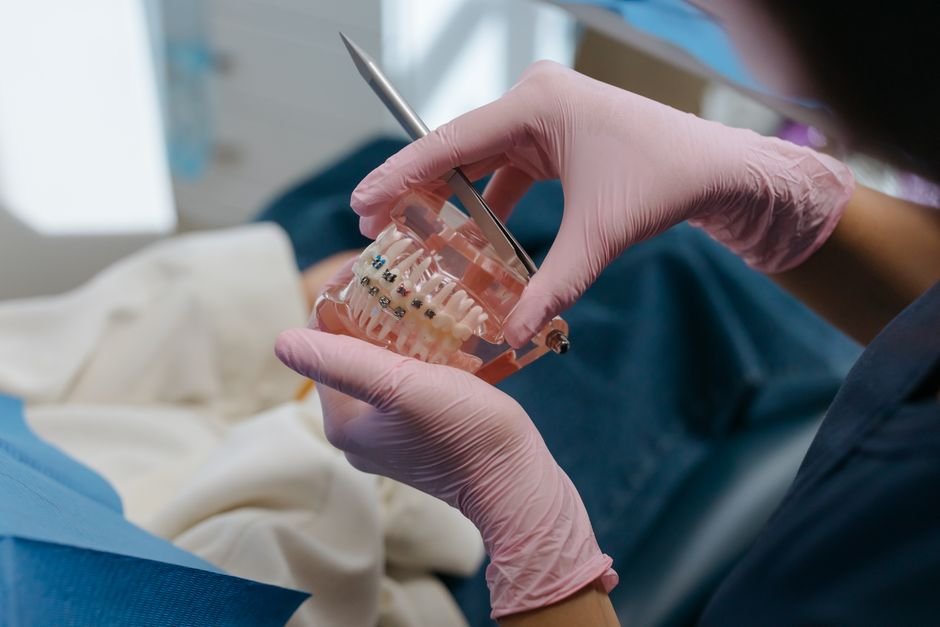



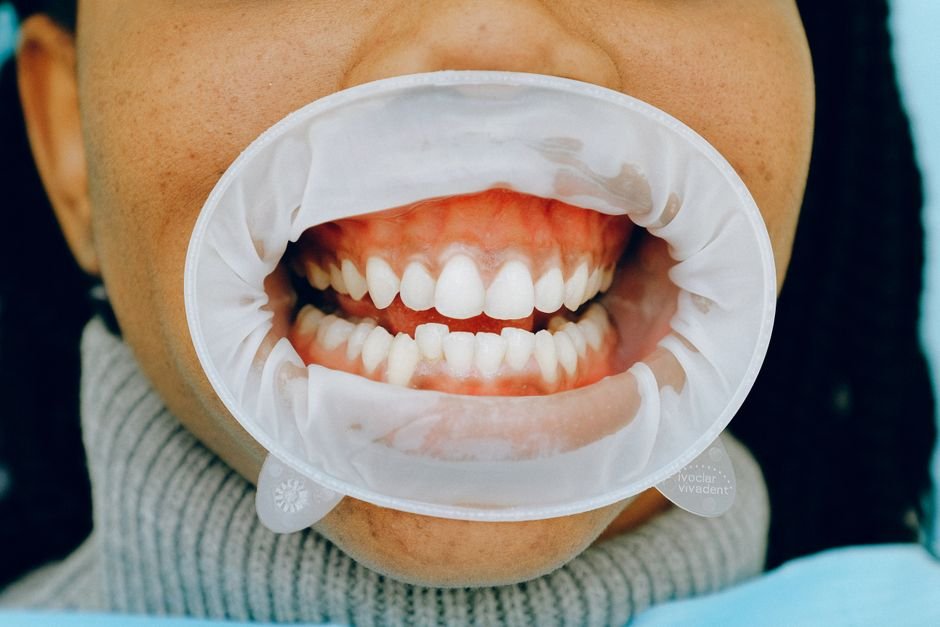


































A pacifier, or dummy, has little lasting effect on a child’s teeth when the habit stops by around age two to three. Beyond that age, prolonged and frequent sucking can gradually push the front teeth forward, tip the lower front teeth back, create an open bite where the front teeth do not meet, and narrow the upper jaw. Most of these changes improve on their own once the habit ends early, because a young child’s jaw is still growing and adaptable. The key factors are how long each day the dummy is used, how intensely the child sucks, and the age at which the habit is given up.
Key takeaways
Sucking is a natural reflex that begins before birth and helps babies feed and settle. A dummy provides non-nutritive sucking, meaning sucking for comfort rather than milk. It can help an infant calm down, fall asleep, and cope with minor distress. Many parents find a dummy a useful tool in the early months, and it is a normal part of soothing a baby.
The reflex naturally fades during the second year as a child finds other ways to self-soothe. Problems arise mainly when the habit continues well past that point and the dummy is in the mouth for many hours a day. Understanding that the dummy meets a real developmental need helps parents approach weaning with patience rather than guilt.
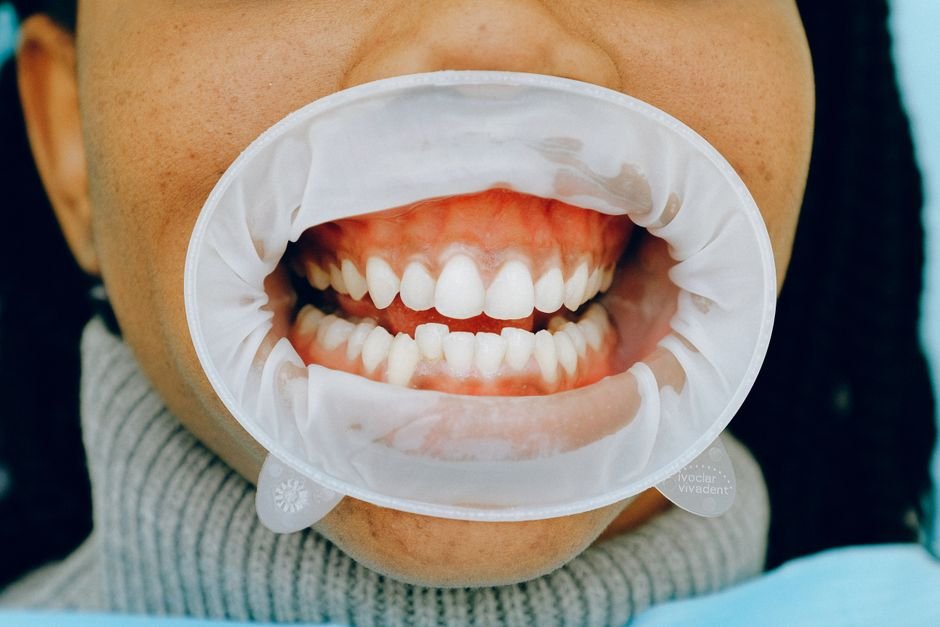
When a child sucks on a dummy for long periods, the constant pressure acts like a very gentle, continuous orthodontic force. The upper front teeth can be pushed outward and upward, while the lower front teeth are tipped inward. The teat sitting between the arches can also stop the front teeth erupting fully into contact, leaving a gap known as an anterior open bite.
The cheeks squeeze inward during sucking, and over time this can narrow the upper dental arch. A narrow upper arch sometimes leads to a crossbite, where the upper back teeth bite inside the lower ones. These effects depend on dose: an hour or two of use for comfort has far less impact than a dummy that is present most of the day and night for years.
Both habits apply similar forces, but a dummy has one important advantage: you can take it away. A thumb is always available, harder to give up, and often continues later into childhood. Thumb sucking also tends to be more forceful and can be linked to more pronounced bite changes and, in some children, effects on the roof of the mouth.
Because a dummy habit is easier to control and end, dentists often see it as the lesser concern of the two, provided it is stopped at a reasonable age. If a child would otherwise suck their thumb, a dummy used sensibly in the early years and then withdrawn can be a practical middle path. The goal with either habit is the same: stop before the permanent front teeth arrive.
Most guidance suggests reducing dummy use from around age one and aiming to stop completely by age two to three. Changes to the bite caused by a habit that ends within this window usually correct themselves as the jaw keeps developing and the baby teeth settle. The earlier the habit stops, the more complete the natural recovery tends to be.
If dummy use continues past age three or four, the risk of lasting change rises, and after the permanent front teeth begin to erupt at around six, any bite problems are less likely to resolve without help. Stopping is still worthwhile at any age, because ongoing pressure will keep influencing the developing teeth until the habit ends.
Mild open bites and slightly flared front teeth often improve once the habit stops, especially before the permanent teeth come through. Removing the force allows the tongue, lips, and normal chewing to guide the teeth back toward a more typical position over months. Not every change fully self-corrects, but many become minor or disappear.
A crossbite from a narrowed upper arch is less likely to fix itself and may need orthodontic assessment, sometimes with a simple appliance to widen the arch. This is one reason dentists like to see children early and monitor the bite. If you are unsure whether a change is resolving, a check-up can tell you whether to keep watching or to seek treatment.
Dummies are sold in various shapes, including so-called orthodontic designs with a flattened teat. Evidence that any particular shape prevents bite problems is limited, and duration of use matters far more than design. A child who uses any dummy for many hours a day for years is more likely to develop changes than one who uses any dummy briefly for comfort.
More useful than choosing a special shape is choosing the right size for the child’s age, keeping the dummy clean, replacing it when worn, and never dipping it in anything sweet, since sugar on a dummy bathes the front teeth and causes decay. Using the dummy only for sleep and settling, rather than continuously through the day, also limits its effect.
Gradual reduction usually works better than sudden removal. Begin by limiting the dummy to the cot at night, then to naps only, then phase it out entirely. Offering a comforter such as a soft toy, extra cuddles, and a consistent bedtime routine gives the child another source of security. Praise and small rewards for dummy-free periods reinforce progress.
Some families use a gentle ritual, such as the child giving their dummies away to a new baby or leaving them out for a friendly character to collect. Choose a calm period rather than a time of illness, house moves, or a new sibling. Avoid teasing or punishment, which tends to make a child cling to the habit. If you are struggling, your dentist or health visitor can offer support.
Take your child for their first dental visit by their first birthday, and mention any dummy or thumb habit at every appointment. The dentist can check how the bite and jaw are developing and advise whether the current level of use is a concern. Early monitoring means small problems are caught while they are still easy to influence.
Book a review if the habit is still strong past age three, if you notice the front teeth no longer meet, if the upper teeth seem to be biting inside the lower ones, or if speech sounds are affected. The dentist can reassure you, help with a weaning plan, or refer for orthodontic assessment if needed. Acting during the early growing years gives the best results.
No. Dummy use in the first couple of years rarely causes lasting dental problems, and any minor changes usually correct themselves once the habit stops. The concern is prolonged, frequent use beyond age three, and dipping the dummy in sweet substances, which causes decay. Sensible early use followed by timely weaning is not harmful to most children’s teeth.
A dummy is generally considered easier to manage because it can be taken away, while a thumb is always available and often harder to give up. Both apply similar forces to the teeth. If a child is likely to suck something for comfort, a dummy used in the early years and then withdrawn is often the more controllable option.
It is not too late to benefit from stopping. While some bite changes may have developed, ending the habit removes the ongoing pressure and gives the jaw a chance to adapt before the permanent front teeth settle. Speak to your dentist, who can check the bite and support you with a weaning plan.
There is little strong evidence that any dummy shape prevents bite problems. How long and how often the dummy is used matters much more than its design. Choosing the correct size for your child’s age, keeping it clean, and limiting use to sleep and settling times are more effective steps.
Having a dummy in the mouth for long periods during the day can reduce babbling and practice of speech sounds, and an open bite from prolonged use may affect certain sounds such as those made with the tongue against the front teeth. Limiting the dummy to sleep times and weaning by age two to three helps avoid this.

What and when a family eats together has a surprisingly direct effect on children’s dental health, since mealtime patterns often

Children are far more likely to stick with good oral care habits when they see parents practising the same routines
Most dentists recommend a child’s first dental visit by their first birthday, or within six months of their first tooth
 English