































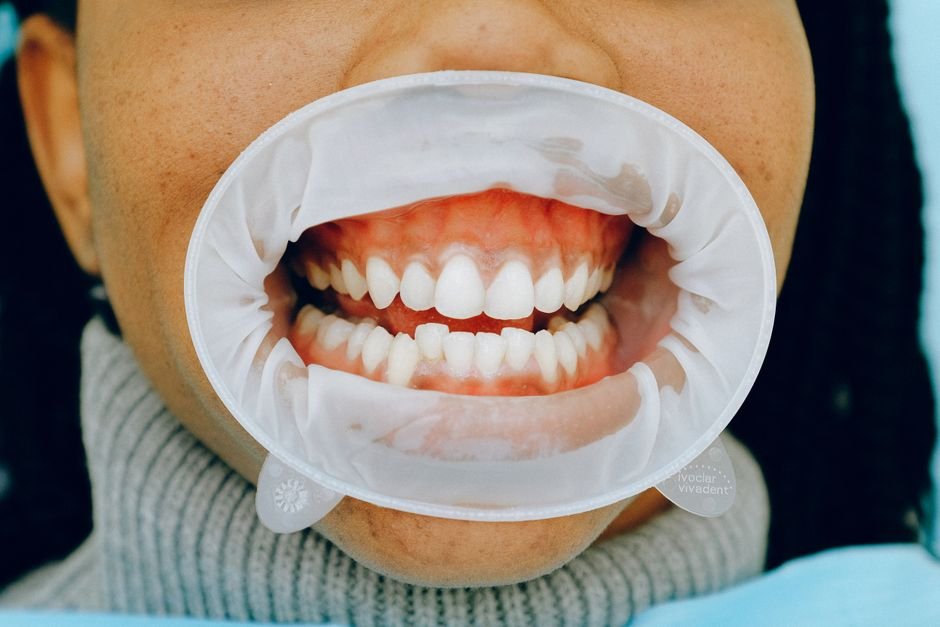


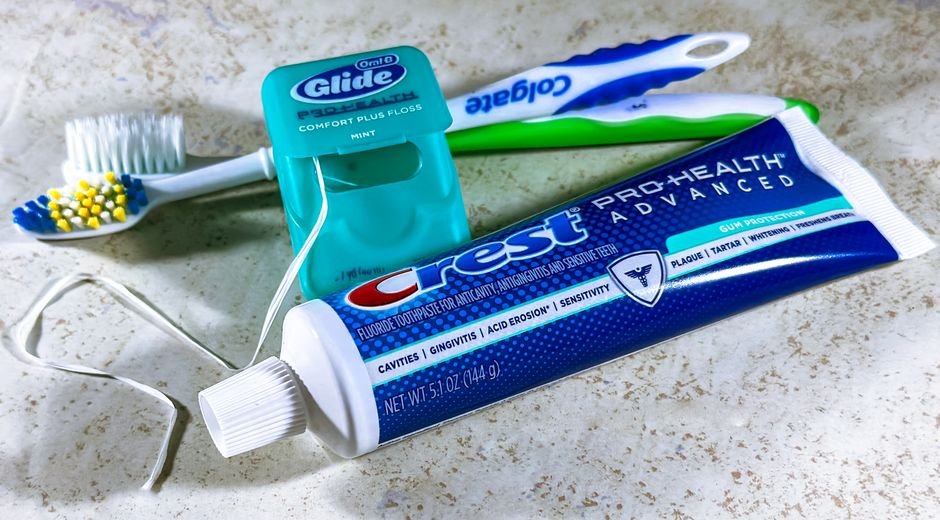

























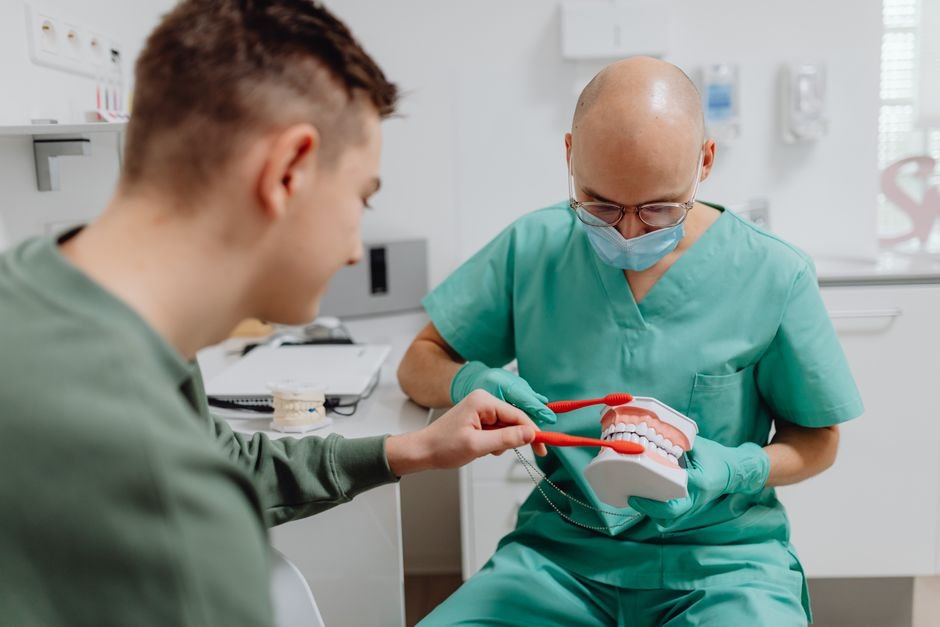




Children should start flossing as soon as two of their teeth touch each other, which often happens somewhere between the ages of two and six. Once teeth are in contact, a toothbrush can no longer reach the surfaces between them, so a parent or carer needs to floss those gaps once a day until the child has the dexterity to do it well on their own, usually around eight to ten years old.
Key takeaways
Many parents assume flossing is something for older children or adults, but the timing has more to do with the shape of the mouth than with age. When baby teeth first appear, there are often small natural gaps between them. These spaces allow a toothbrush to clean every side of each tooth, so flossing is not usually necessary at that stage. As more teeth come through and the jaw develops, some teeth begin to sit snugly against their neighbours, and that contact point becomes a hidden trap for food and plaque.
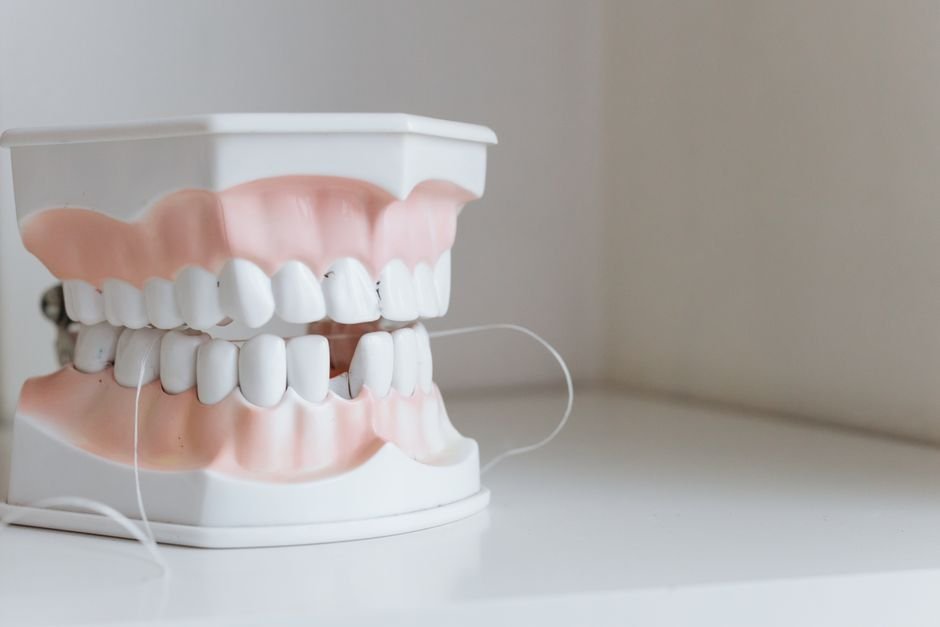
Once two teeth touch, the bristles of a toothbrush simply cannot reach the surfaces between them. Plaque that collects in these tight spots can quietly cause decay that is not visible from the front. For some children, the back molars come into contact around the age of two or three, while others keep their gaps much longer. Checking your child’s teeth regularly is the simplest way to know. If you cannot see light between two teeth, or food tends to get stuck there, it is time to start.
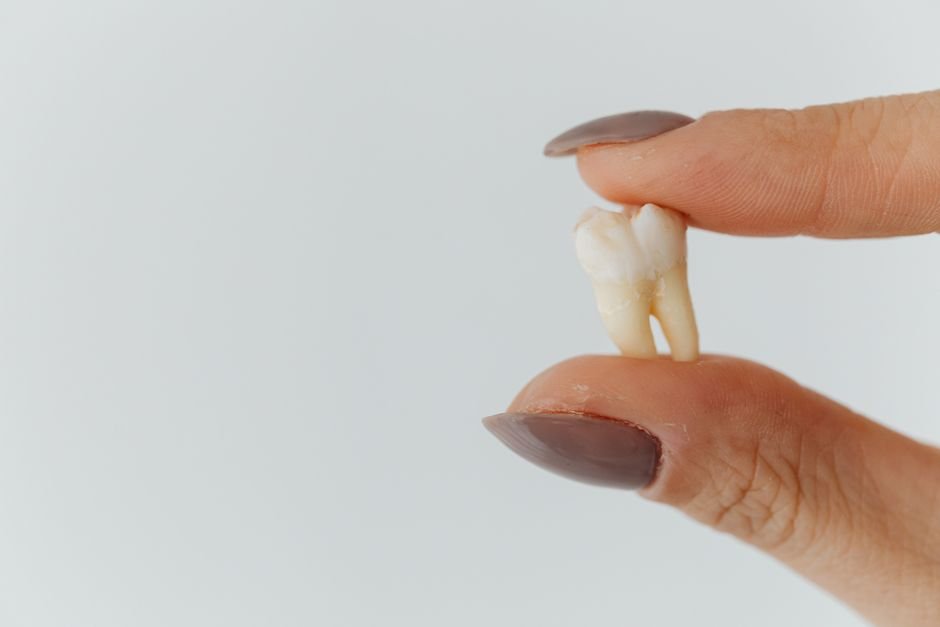
It is easy to think that baby teeth are not worth the extra effort because they will eventually fall out. In reality, they play an important role for many years. Baby teeth help children chew properly, speak clearly and smile with confidence. They also act as placeholders, guiding adult teeth into the correct position. Some back baby teeth are not replaced until around the age of ten to twelve, so they need to stay healthy for a long time.
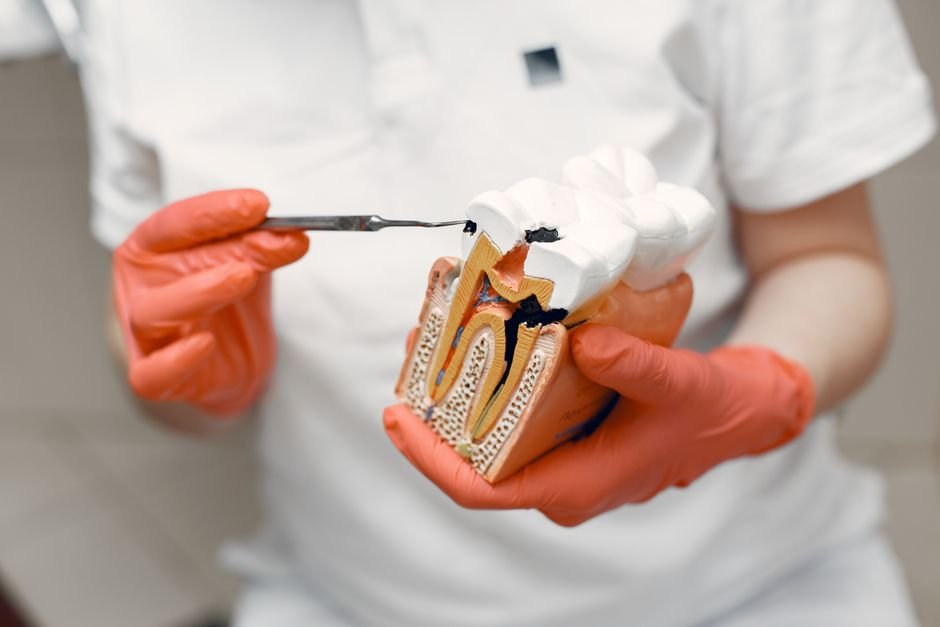
Decay between the back baby teeth is particularly common because these surfaces are hard to see and hard to clean. Baby teeth also have thinner enamel than adult teeth, which means decay can spread more quickly once it starts. A cavity between two teeth can cause pain, infection and sometimes early loss of the tooth, which may lead to crowding problems later. Gentle daily flossing removes the plaque that drives this decay and is one of the most effective ways to protect your child’s teeth between dental visits.
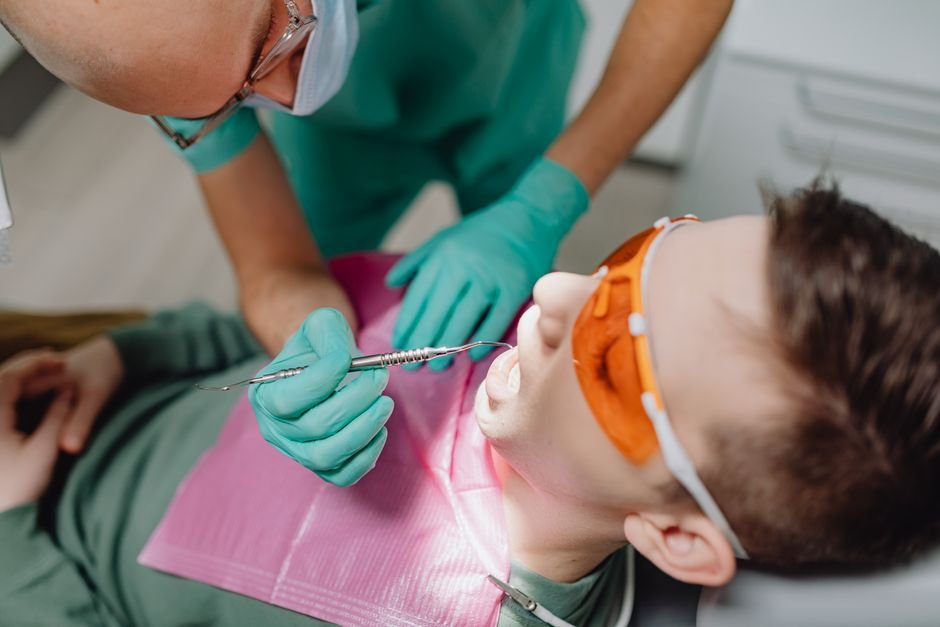
For young children, flossing is a job for the parent or carer. The easiest position is often to sit your child on your lap facing away from you, or to have them lie down with their head resting in your lap so you can see clearly into the mouth. Take a length of floss around the length of your forearm, wind most of it around your middle fingers, and hold a short section tightly between your thumbs and index fingers. Gently ease it between two touching teeth using a slight back-and-forth motion.
Once the floss is between the teeth, curve it into a C shape around one tooth and slide it gently up and down, going just slightly below the gumline. Then curve it around the neighbouring tooth and repeat. Use a fresh section of floss for each gap. Avoid snapping the floss down onto the gums, as this can hurt and make your child reluctant next time. In the early days, you may only need to floss the back molars, since the front teeth often still have natural spaces.
Floss picks, which hold a short piece of floss on a small plastic handle, can be very useful for children. They are easier to manoeuvre in a small mouth, require only one hand and are often quicker than traditional floss. Many are designed in bright colours or fun shapes, which can help young children feel more positive about the routine. For parents juggling a wriggling toddler, the convenience of a pick can make the difference between flossing happening or being skipped.
The main drawback is that the floss on a pick cannot wrap around the tooth as fully as string floss, so technique still matters. Try to angle the pick so it hugs each tooth surface rather than just popping in and out of the gap. Use a new pick for each session, or rinse it between gaps if your child has many tight contacts. Water flossers can also be helpful for some families, particularly for children with braces later on, but they work best alongside rather than instead of traditional cleaning between the teeth.
Flossing requires more fine motor skill than brushing, so children usually need help for longer than parents expect. Most children are not able to floss thoroughly by themselves until around eight to ten years old. A helpful guide is that if your child can tie their own shoelaces neatly, they may be ready to begin practising independent flossing. Even then, they will usually need supervision and occasional checks to make sure they are reaching every gap properly.
Encourage independence gradually. You might start by letting your child try a few gaps while you complete the rest, then slowly hand over more of the mouth as their technique improves. Floss picks are often the easiest tool for this transition stage. Praise their effort, and check their work every so often by looking for leftover food or bleeding gums. If you notice they are consistently missing the back teeth, step in and help. Building the habit carefully now sets them up for lifelong healthy gums.
Once a day is enough for most children, and the best time is usually in the evening before bedtime brushing. During sleep, saliva flow drops, which means the mouth is less able to wash away food and neutralise acids. Removing plaque and trapped food before bed gives the teeth the best protection overnight. Flossing before brushing also allows the fluoride in toothpaste to reach the surfaces between the teeth more easily.
Making flossing part of a predictable bedtime routine helps it become automatic. You might link it to other regular steps, such as bath time, putting on pyjamas or reading a story. Consistency matters more than perfection. A quick, gentle floss every evening is far more valuable than an occasional long session. If evenings are especially hectic, flossing in the morning is still worthwhile. The key is choosing a time you can realistically stick to every day, so it becomes a normal part of looking after teeth.
A little bleeding when you first start flossing your child’s teeth is quite common. It usually happens because plaque has been sitting along the gumline, causing mild inflammation known as gingivitis. Inflamed gums are more sensitive and may bleed when touched. This is a sign that the area needs cleaning, not that flossing is causing harm. With gentle daily flossing, the bleeding generally settles within a week or two as the gums become healthier.
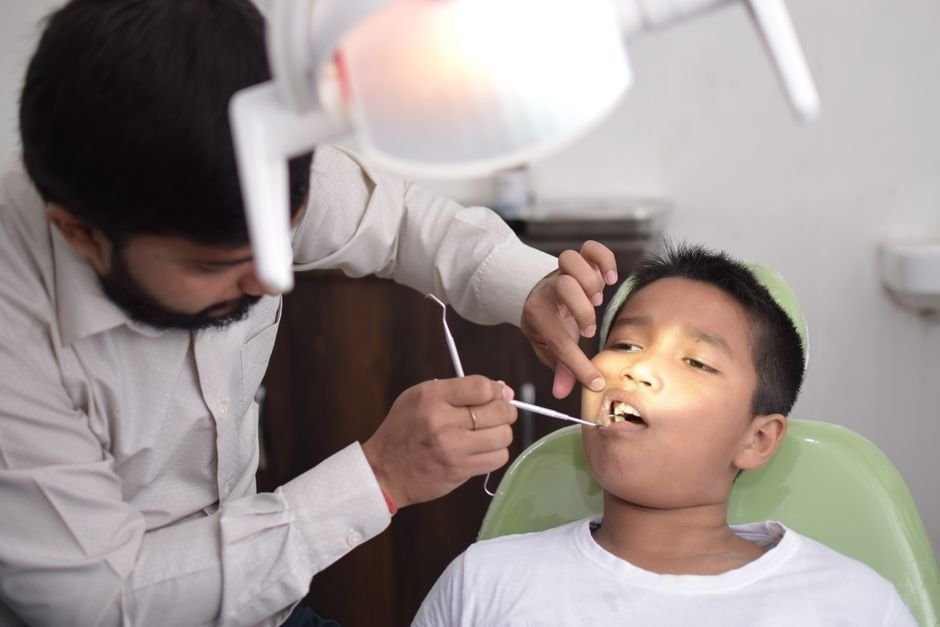
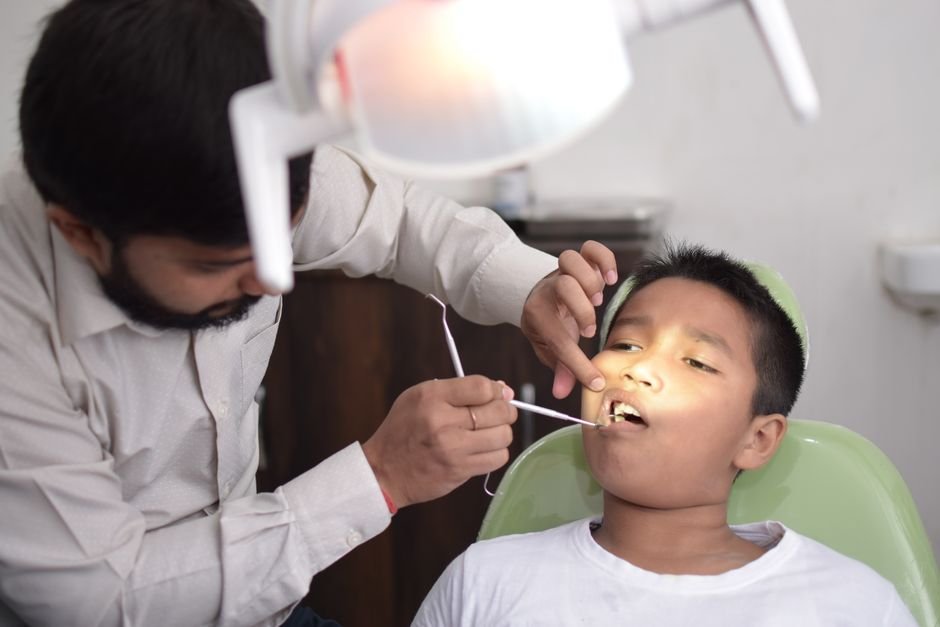
Make sure you are using a gentle technique, guiding the floss carefully rather than forcing it, as rough flossing can irritate the gums. If bleeding continues beyond a couple of weeks, the gums look very red or swollen, or your child complains of pain, it is a good idea to book a visit with your dentist. Persistent bleeding can sometimes indicate a build-up of hardened plaque or another issue that needs professional attention. Your dentist can also demonstrate flossing techniques suited to your child’s mouth.
Children are more likely to cooperate if flossing feels like a positive experience rather than a chore. Letting them choose their own floss picks in a favourite colour can give them a sense of ownership. Some families use a simple sticker chart to celebrate consistent flossing, with a small non-sugary reward at the end of the week. Singing a short song or counting the teeth together can also help pass the time and keep little ones distracted.
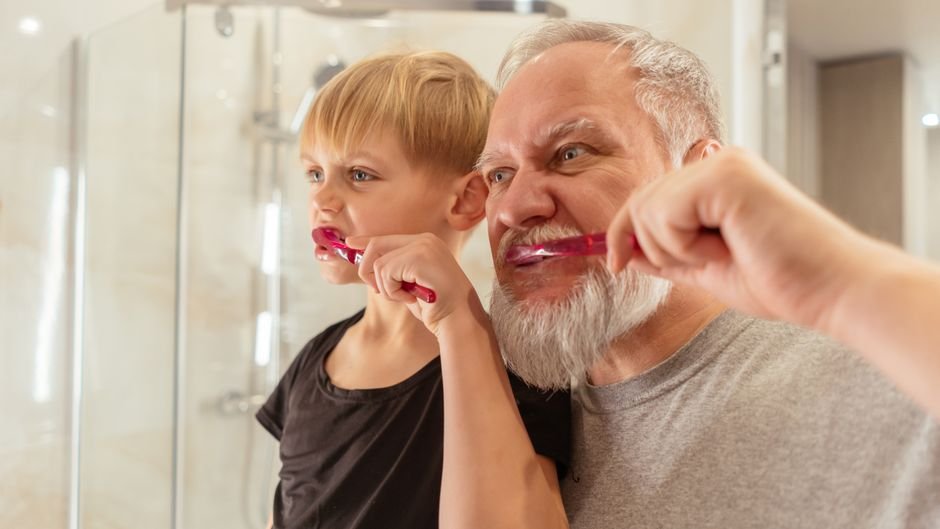
Leading by example is one of the most powerful tools you have. When children see parents and older siblings flossing every day, they understand it is a normal part of looking after themselves. Try flossing alongside your child in front of the mirror. Keep sessions short, calm and encouraging, and avoid using flossing as a punishment. If your child resists strongly, take a break and try again later rather than forcing it. Over time, patience and routine usually win out, and flossing becomes just another step of getting ready for bed.
There is no fixed age. Children should start flossing as soon as any two teeth touch, which commonly happens between the ages of two and six. Check your child’s teeth regularly, and begin flossing the tight contacts once a toothbrush can no longer clean between them.
Yes. Decay between touching baby teeth is common and often hidden from view. Baby teeth have thinner enamel and need to last for many years, so cleaning between them helps prevent cavities, pain and early tooth loss that can affect how adult teeth come through.
Floss picks are a practical and effective choice for many children, especially when parents are flossing a young child’s teeth. String floss can wrap around teeth more fully, but a pick used carefully once a day is far better than not cleaning between the teeth at all.
Once a day is usually enough for children. The evening, before bedtime brushing, is often the best time because saliva flow drops during sleep and removing plaque beforehand gives the teeth better protection overnight.
Most children need help or supervision with flossing until around eight to ten years old, as it requires good fine motor control. Encourage them to practise gradually and check their technique regularly until they can clean every gap reliably on their own.

What and when a family eats together has a surprisingly direct effect on children’s dental health, since mealtime patterns often

Children are far more likely to stick with good oral care habits when they see parents practising the same routines
Most dentists recommend a child’s first dental visit by their first birthday, or within six months of their first tooth
 English