





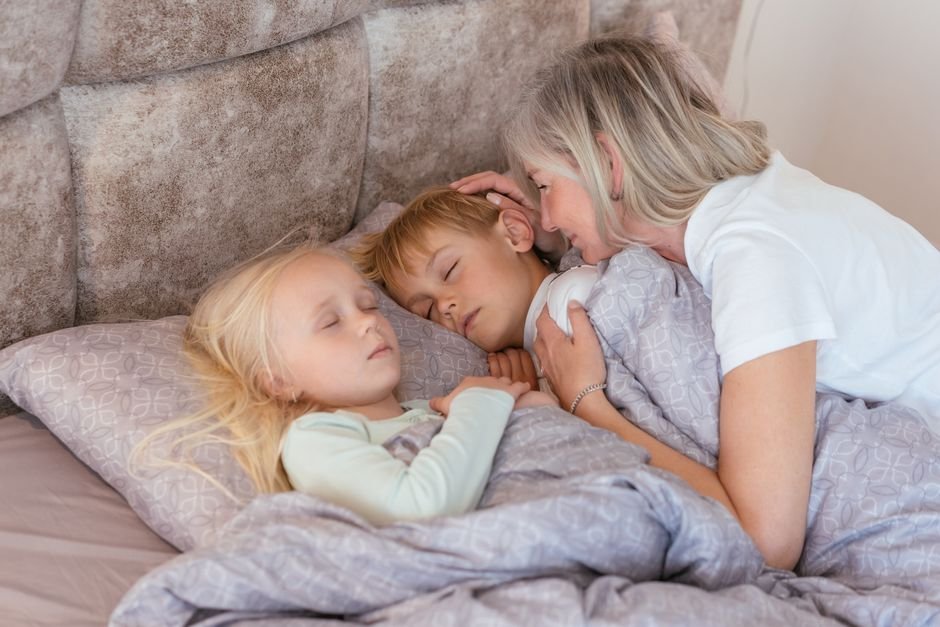


















Children often grind their teeth at night because their jaws, teeth and nervous systems are still developing. Common triggers include new teeth coming through, changes in how the top and bottom teeth meet, disturbed or shallow sleep, breathing problems such as blocked airways, and everyday stress or excitement. For most children, night-time grinding is harmless and fades as they grow, but regular check-ups help make sure it is not wearing teeth down or pointing to another issue.
Key takeaways
Teeth grinding, known by the clinical name bruxism, involves rubbing, clenching or gnashing the teeth together, usually without the child being aware of it. When it happens during sleep, it is called sleep bruxism. Parents often notice it first as a scraping or clicking sound coming from a child’s bedroom, sometimes loud enough to be heard from another room. The child usually has no memory of it in the morning, and it may come and go over weeks or months.
Grinding is surprisingly common in childhood, particularly in younger children. It can begin as soon as the first teeth appear and is often seen during periods when baby teeth are coming through or being replaced by adult teeth. In many cases, it is simply part of normal development and causes no lasting harm. However, because frequent or forceful grinding can occasionally wear teeth or cause discomfort, it is worth understanding why it happens and when to seek advice.
When new teeth are pushing through the gums, children may grind to relieve pressure or discomfort. This is often seen in toddlers as their first molars arrive. The sensation of teeth meeting for the first time is also new, and some children instinctively explore it by rubbing their teeth together. Grinding during these stages is usually temporary and tends to settle once the teeth have fully erupted and the child has grown used to them.
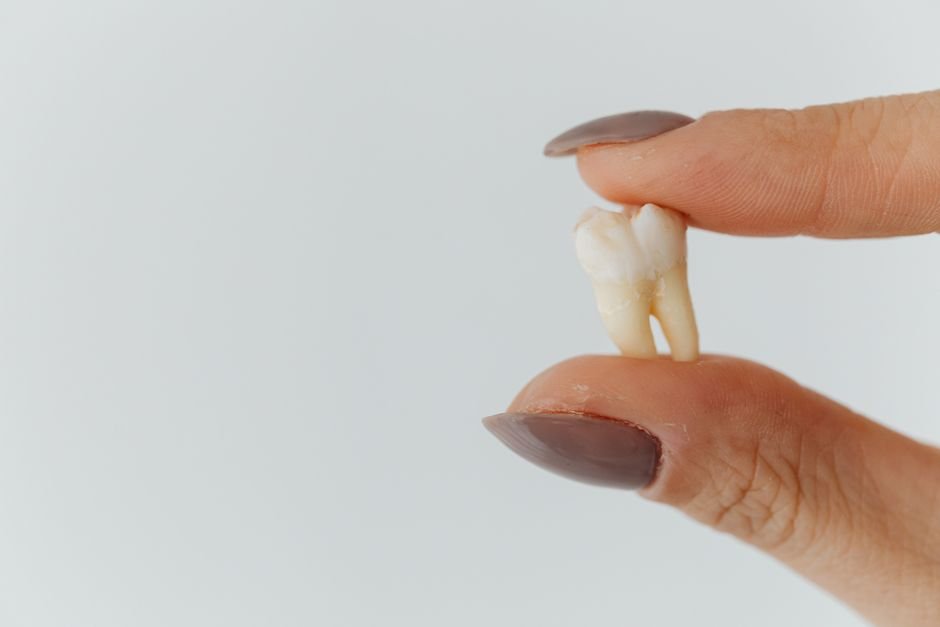
A similar pattern can occur later, between roughly six and twelve years old, when baby teeth are lost and adult teeth come in. During this mixed stage, the bite is constantly changing as teeth of different sizes and heights move into place. The jaw muscles may respond by grinding as they adjust to these shifting contact points. Most children stop grinding once their adult teeth have settled, which is why dentists often recommend monitoring rather than treatment in younger age groups.
The way the upper and lower teeth fit together, known as the bite, changes considerably during childhood as the jaws grow. If teeth do not meet evenly, or if the jaws are growing at slightly different rates, a child may grind as their muscles try to find a comfortable resting position. Crowded or misaligned teeth can contribute to this. In most cases, these differences resolve naturally with growth, though some children benefit from orthodontic assessment later on.
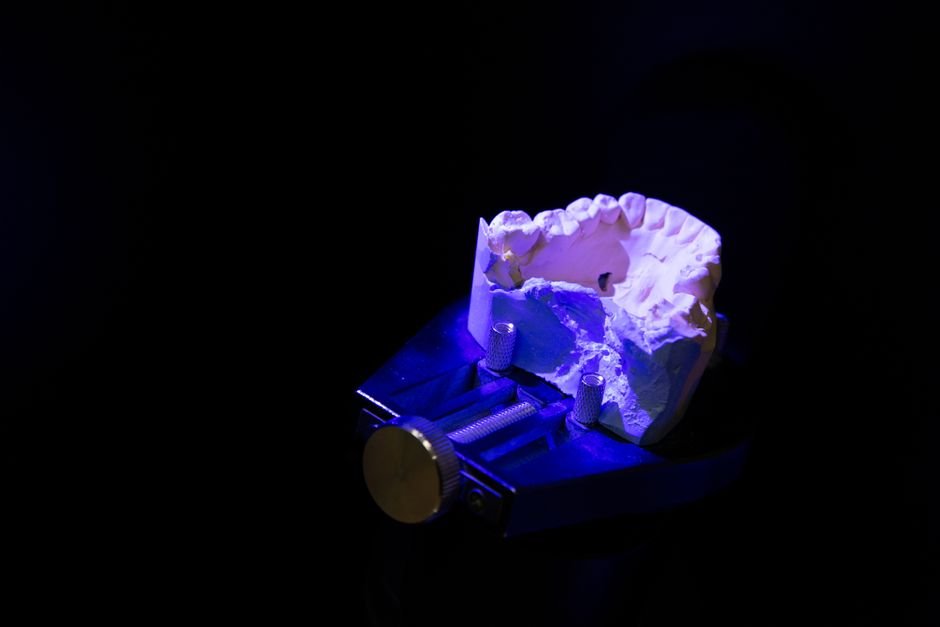
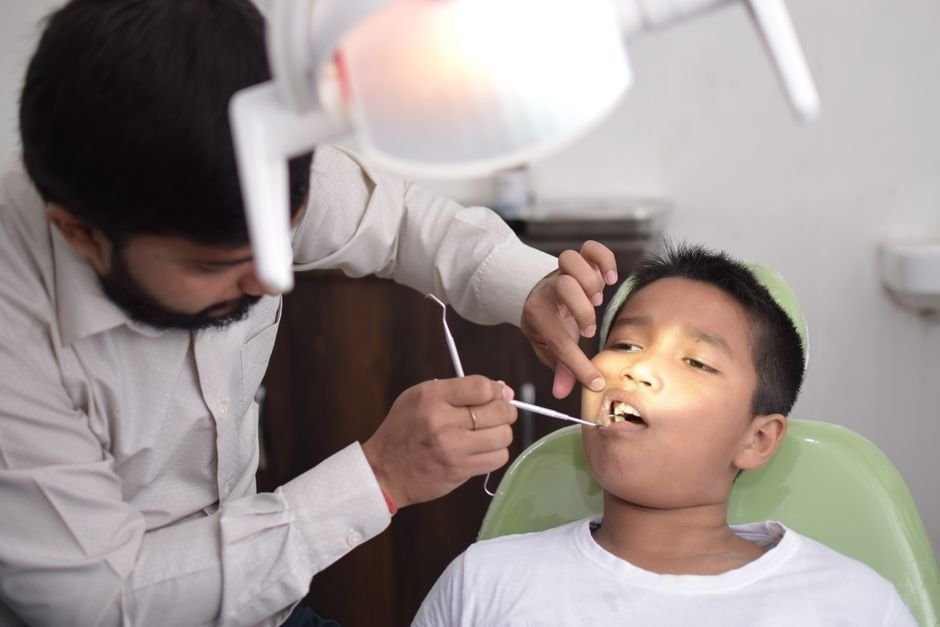
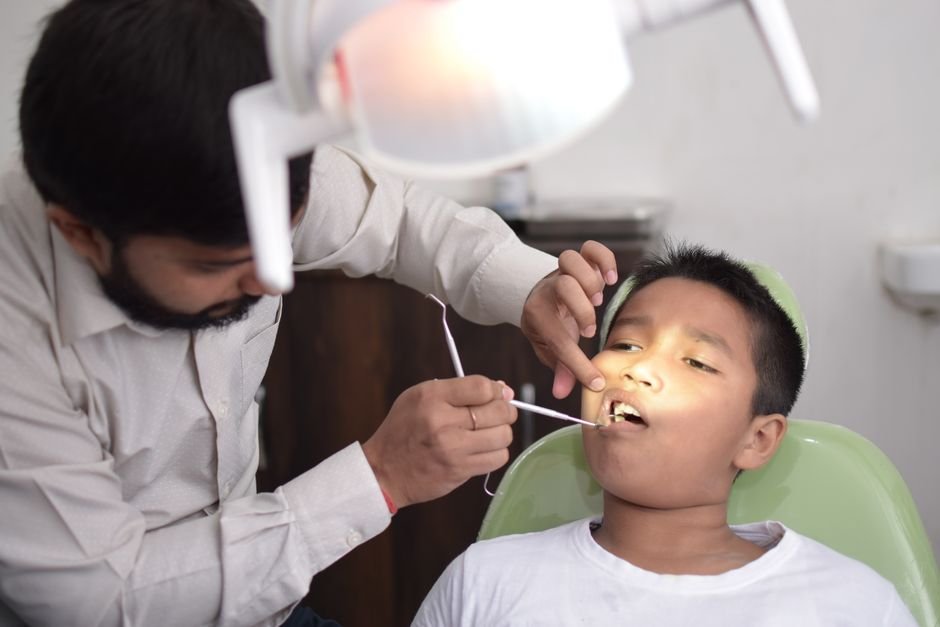
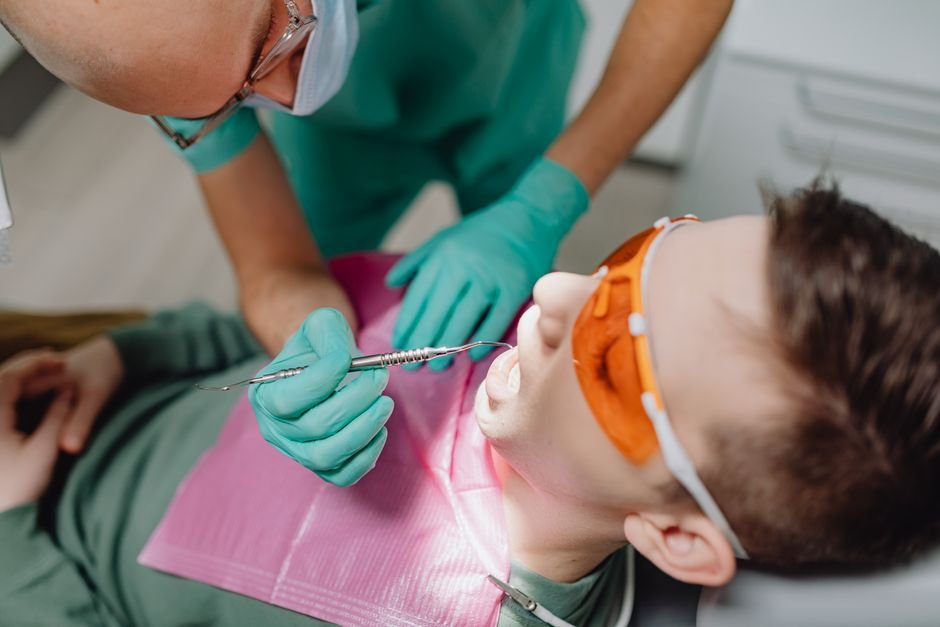
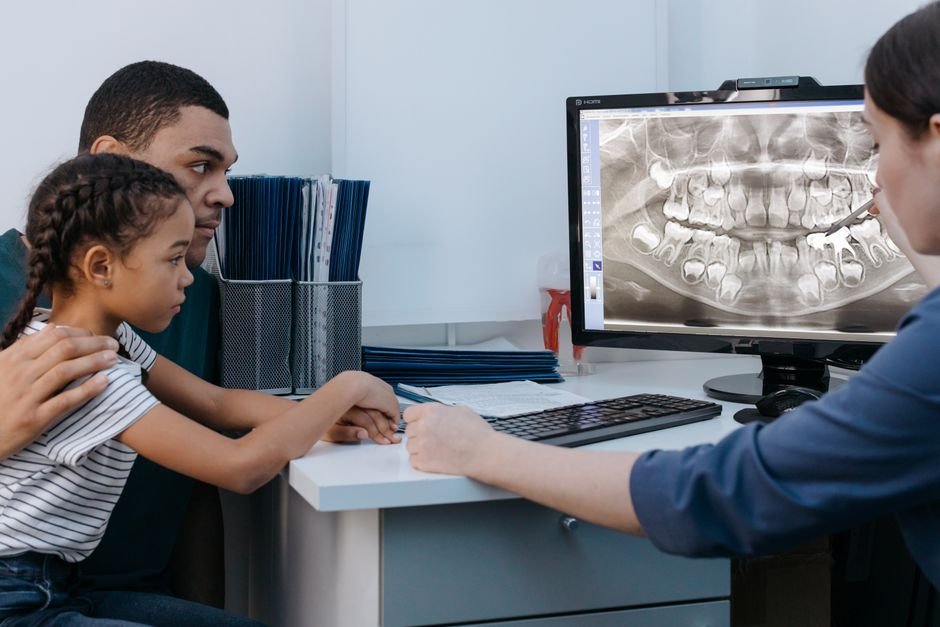
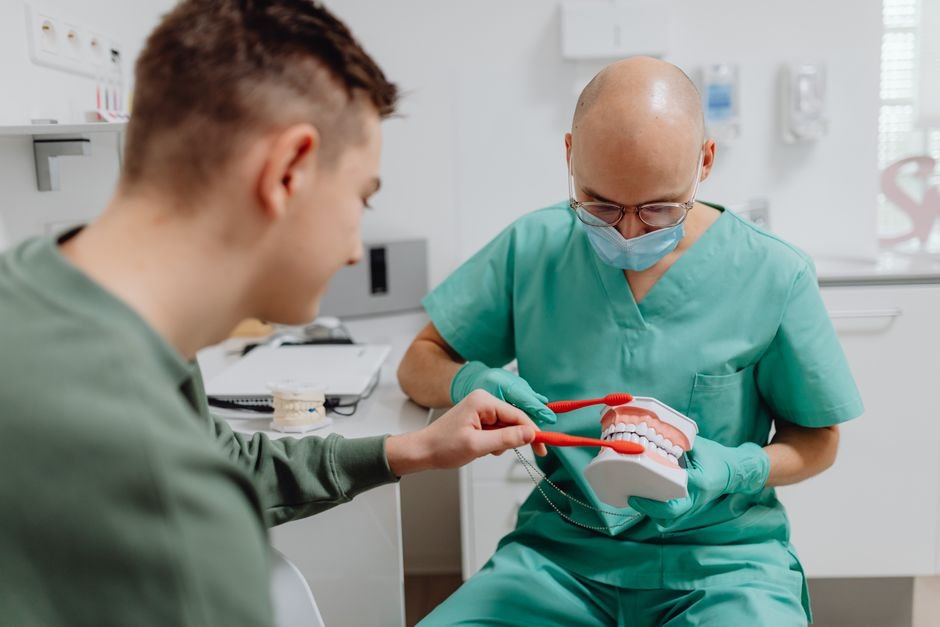
A dentist can look at how your child’s teeth come together and whether any particular teeth are taking excessive pressure. Wear facets, which are flat, shiny areas on the biting surfaces, can show where grinding is happening. If the bite appears to be a significant factor, your dentist may suggest a review with an orthodontist when the child is older. It is important not to assume that a bite problem is the cause, however, as many children with perfectly normal bites also grind.
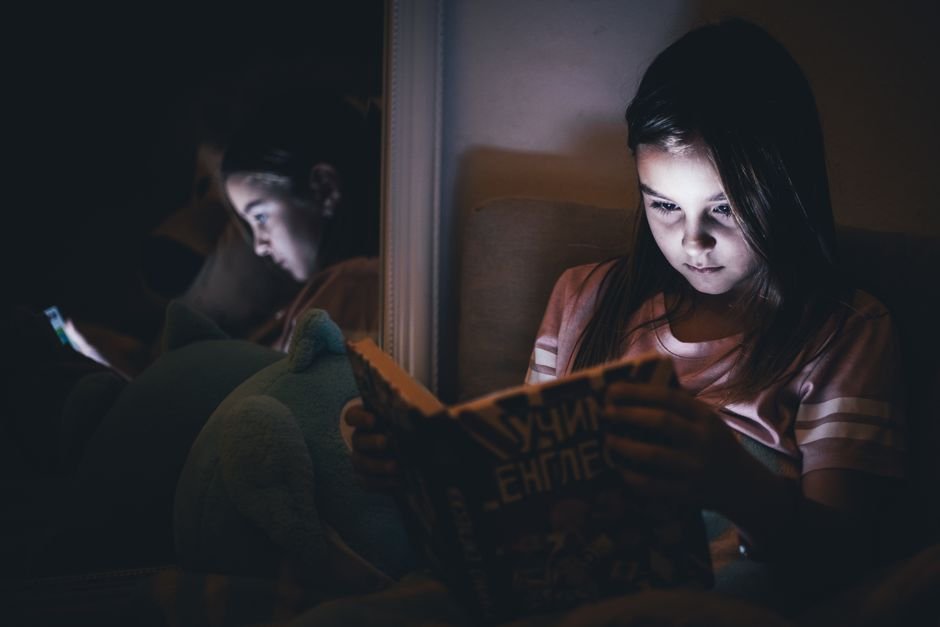
Night-time grinding is closely tied to sleep. It often happens during lighter phases of sleep or brief moments of partial waking that the child does not remember. Anything that disrupts sleep, such as an irregular bedtime, screens late in the evening, illness or a noisy environment, can make these light phases more frequent. Children who are overtired may also grind more. Improving sleep quality is therefore one of the most useful ways to reduce grinding.
Breathing problems are an important factor to consider. Children who snore, breathe through their mouths, pause in their breathing or sleep restlessly may have enlarged tonsils or adenoids, allergies or other causes of a narrowed airway. Grinding is sometimes associated with these sleep-disordered breathing problems. If your child snores regularly, seems tired during the day or has difficulty concentrating, mention this to your doctor or dentist, as treating the breathing issue may also reduce grinding.
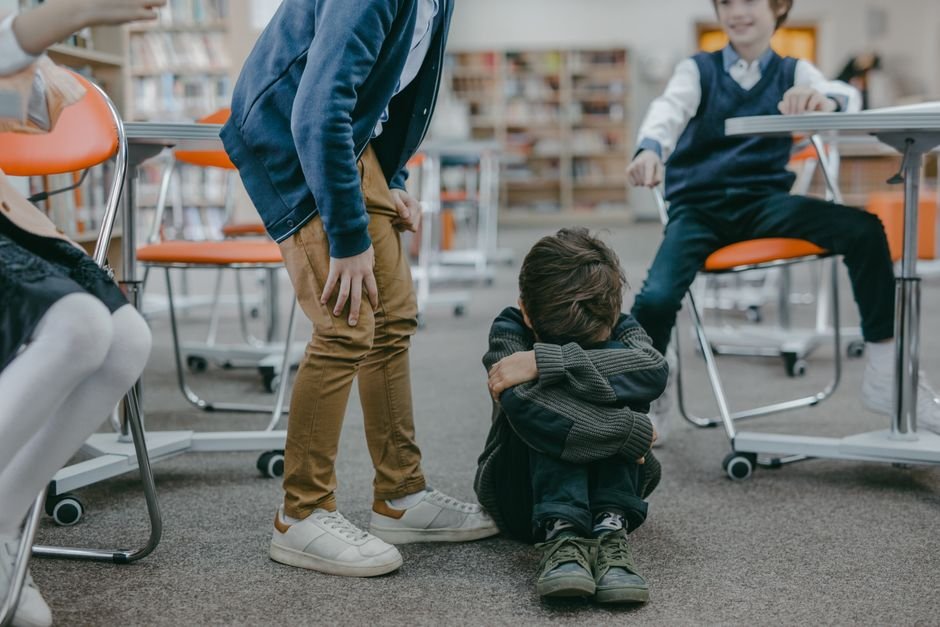
Children experience stress in ways that may not always be obvious to adults. Starting a new school, moving house, changes in the family, exams, falling out with friends or even exciting events such as holidays can all affect how a child sleeps. Some children respond to these feelings by clenching or grinding their teeth at night. In these cases, grinding may increase during particularly busy or unsettled times and ease once things calm down.
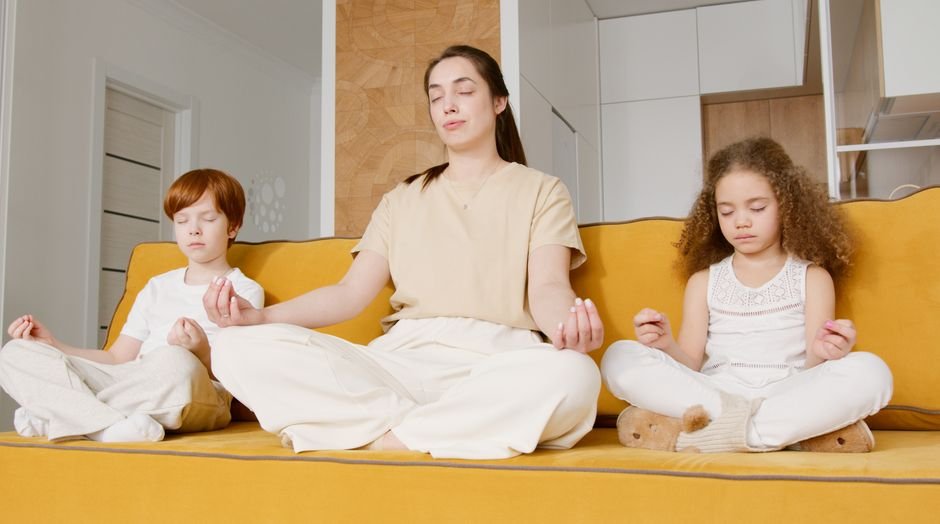
Talking with your child about their day and any worries can help, as can predictable routines that give a sense of security. A relaxing bedtime routine, such as a warm bath, reading together or quiet music, helps the body wind down before sleep. If you notice signs of ongoing anxiety beyond grinding, such as changes in mood, appetite or behaviour, it is sensible to speak with your doctor. Some medicines and certain health conditions can also be associated with grinding, so mention any relevant history to your dentist.
The most obvious sign is the sound of grinding during sleep. Other clues include your child complaining of jaw aches, earache or headaches, especially first thing in the morning. They may say their teeth feel sore or sensitive, or find chewing uncomfortable. Some children experience a tired or stiff feeling in the jaw muscles. Because children may not describe these sensations clearly, it helps to ask gentle questions if you suspect grinding is happening.
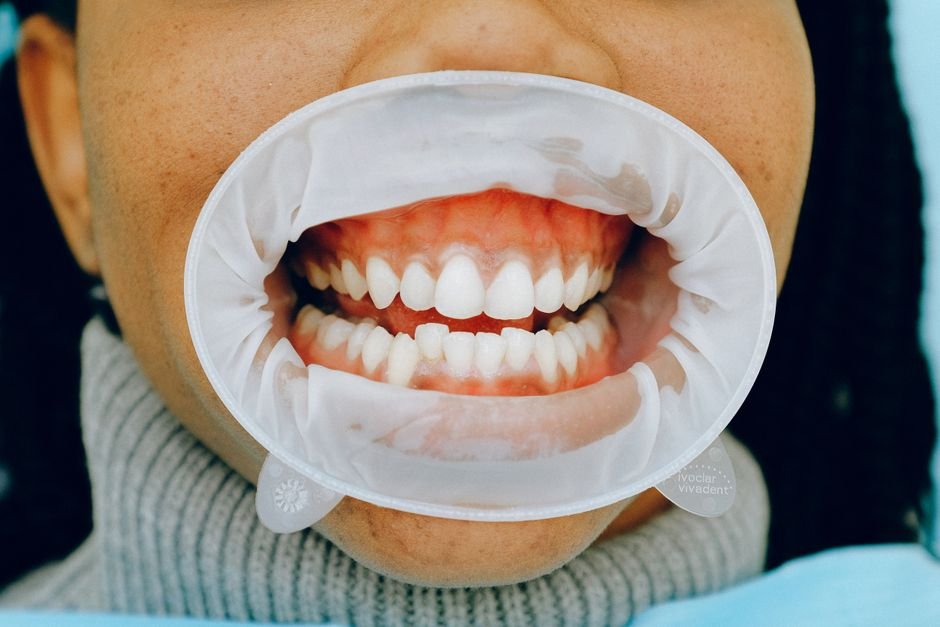
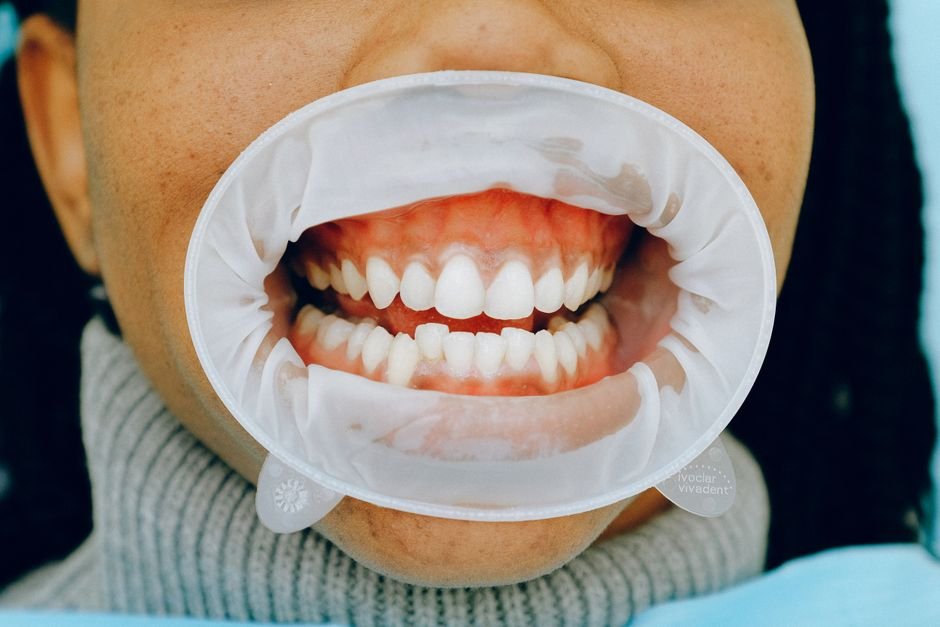
Your dentist may notice signs that are not visible at home. These include flattened or worn biting surfaces, small chips along the edges of teeth, increased sensitivity or wear that exposes the softer layer beneath the enamel. Baby teeth have thinner enamel than adult teeth, so wear can appear more quickly, although it is often not a concern because these teeth will eventually be replaced. Regular check-ups allow wear to be monitored over time and compared between visits.
For many children, no specific treatment is needed, and grinding stops on its own. There are, however, simple steps that can help. Keep bedtimes consistent, reduce screen time in the hour before sleep and keep the bedroom dark, quiet and comfortable. Avoid sugary or caffeinated drinks, including some fizzy drinks and chocolate, in the evening. Encouraging plenty of water during the day and a balanced diet also supports overall health and restful sleep.
If grinding is causing pain, significant wear or sleep disturbance, your dentist will look for underlying causes and may refer you to a doctor if breathing problems are suspected. Night guards are sometimes used for older children with adult teeth, but they are generally not recommended for young children whose jaws and teeth are still changing rapidly, as they could interfere with growth. Any appliance should only be used under the guidance of a dentist who has examined your child.
Yes, night-time teeth grinding is common in children and is often linked to teething, changes in the bite, sleep patterns or stress. Many children grow out of it as their adult teeth settle.
Occasional grinding rarely causes harm, but frequent or forceful grinding can wear down biting surfaces, cause chips or increase sensitivity. A dentist can monitor wear at regular check-ups and advise if any action is needed.
Teeth grinding in children is sometimes associated with snoring, mouth breathing and other sleep-disordered breathing problems, such as enlarged tonsils or adenoids. If a child snores regularly, it is worth mentioning to a doctor or dentist.
Night guards are not usually recommended for young children because their teeth and jaws are still growing. For older children with adult teeth and significant wear, a dentist may suggest one after a full examination.
Calm, consistent bedtime routines, less screen time before bed, avoiding caffeine and sugar in the evening and talking through any worries can help. A dentist can also check for causes such as bite changes or breathing problems.

What and when a family eats together has a surprisingly direct effect on children’s dental health, since mealtime patterns often

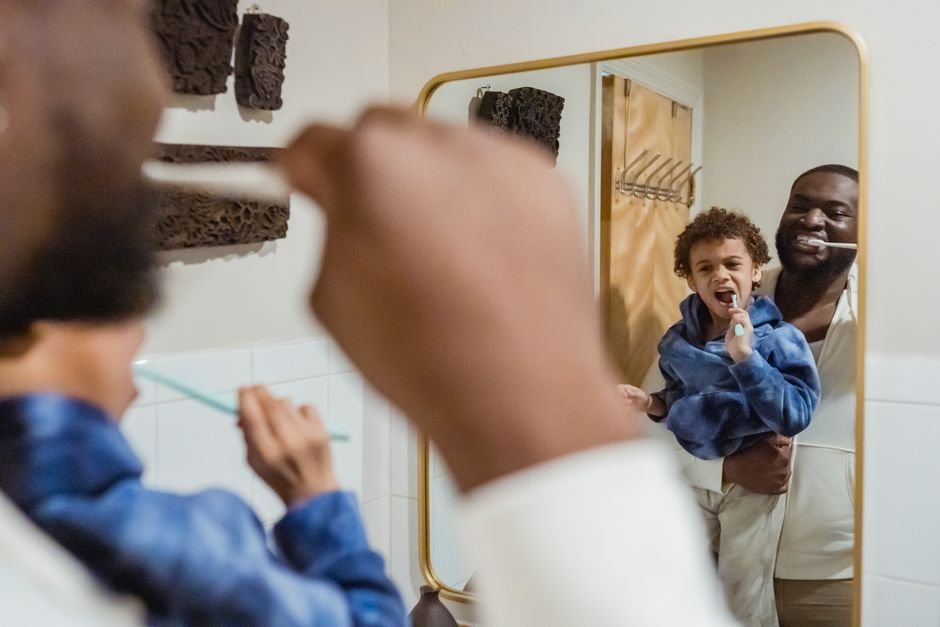
Children are far more likely to stick with good oral care habits when they see parents practising the same routines
Most dentists recommend a child’s first dental visit by their first birthday, or within six months of their first tooth
 English