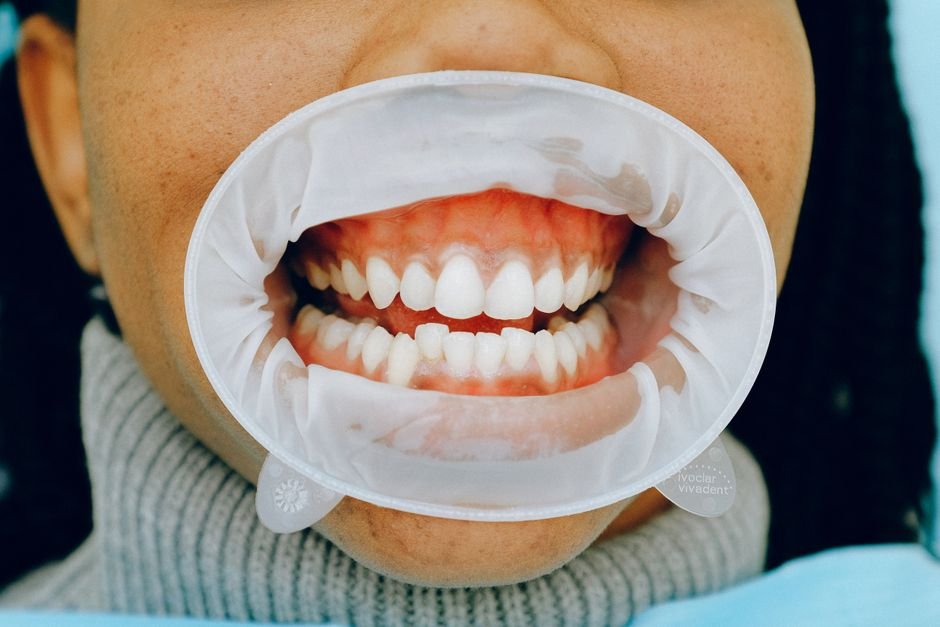

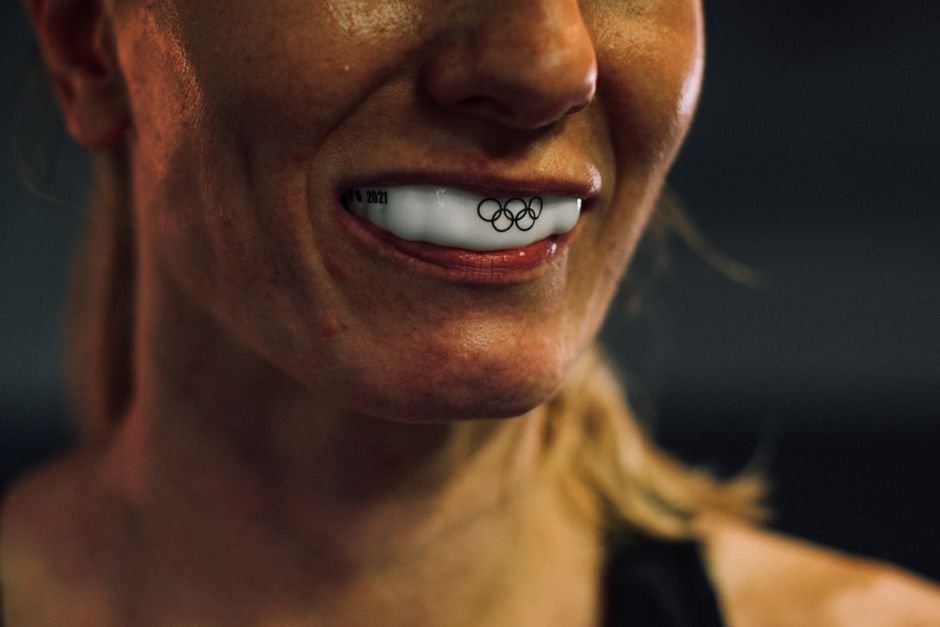



























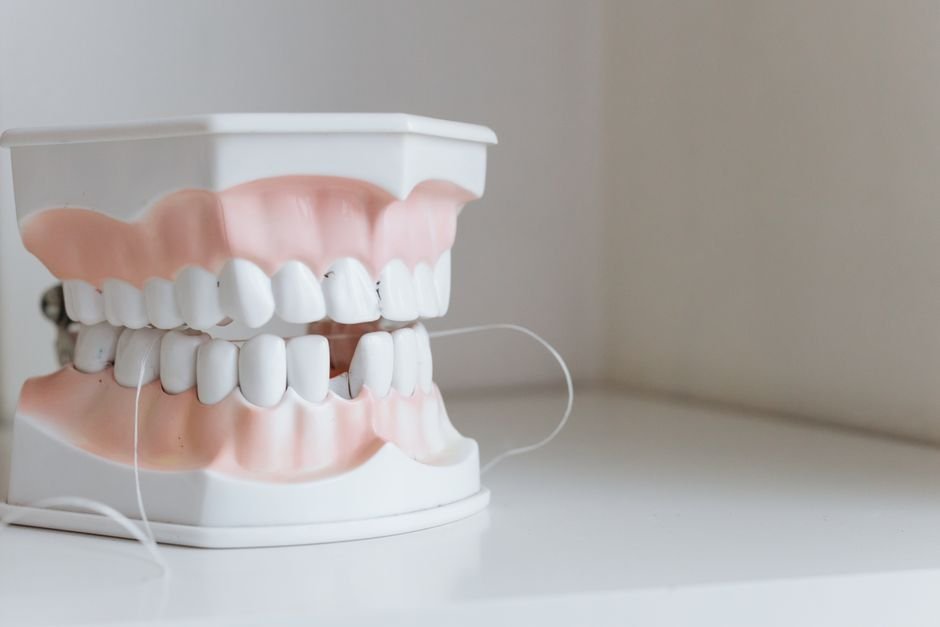






























A mouth guard is a soft, protective appliance worn over the teeth during sport to cushion blows to the face and reduce the risk of chipped, broken or knocked-out teeth, as well as injuries to the lips, tongue and cheeks. For young athletes, whose teeth and jaws are still developing, a well-fitting mouth guard is one of the simplest and most effective pieces of safety equipment available. It is recommended for any sport or activity where there is a chance of falls, collisions or contact with a ball, stick or another player.
Key takeaways
Children and teenagers are enthusiastic participants in sport, and dental injuries are a common consequence of falls, tackles and accidental contact. The front teeth, particularly the upper ones, are the most exposed and most frequently damaged. A blow to the mouth can chip enamel, fracture a tooth, push a tooth out of position or knock it out completely. Injuries like these can be painful, upsetting and sometimes require complex and lengthy treatment that continues for many years into adulthood.
Young people are especially vulnerable because their permanent teeth may still be developing, with roots that are not yet fully formed. Damage at this stage can affect how a tooth continues to grow. A mouth guard spreads the force of an impact across a wider area and absorbs much of the energy, reducing the chance that any single tooth takes the full blow. It also creates a soft barrier between the teeth and the lips and cheeks, preventing painful cuts. For many sports, it is an inexpensive way to avoid serious harm.
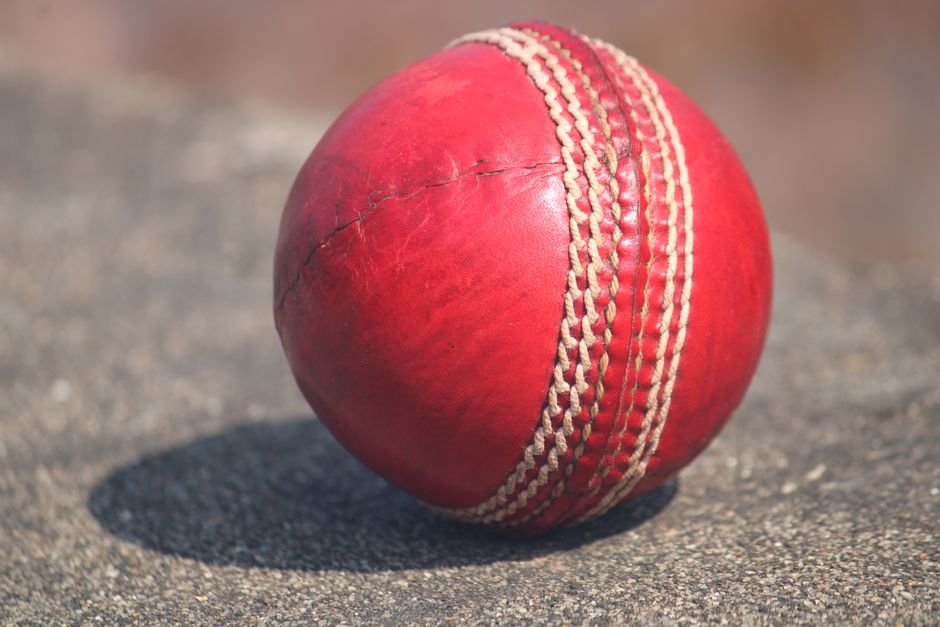
Mouth guards are most obviously needed for contact and collision sports, such as rugby, football codes involving tackling, hockey, boxing, martial arts and lacrosse. In many of these sports, mouth guards are compulsory at certain levels of play. However, injuries also occur in sports where contact is not intended, such as basketball, netball, cricket, baseball and softball, where a stray elbow, a fall or a fast-moving ball can strike the face without warning.
Recreational activities carry risks too. Skateboarding, cycling, scootering, horse riding, gymnastics, trampolining and skiing can all lead to falls where the face hits the ground or equipment. As a general guide, if an activity involves speed, height, balls, sticks or other people moving quickly around each other, a mouth guard is worth considering. Many sports clubs and coaches encourage players to wear them at training as well as during matches, because injuries can happen just as easily in practice as in competition.
There are three main types of mouth guard. Stock guards are pre-formed and ready to wear straight out of the packet. They are the cheapest option but are often bulky and loose, which makes them uncomfortable, harder to talk and breathe in, and less protective. Boil-and-bite guards are made from a thermoplastic material that softens in hot water, allowing the wearer to bite into it to create a rough impression of their teeth. These fit better than stock guards and are widely available from sports shops.
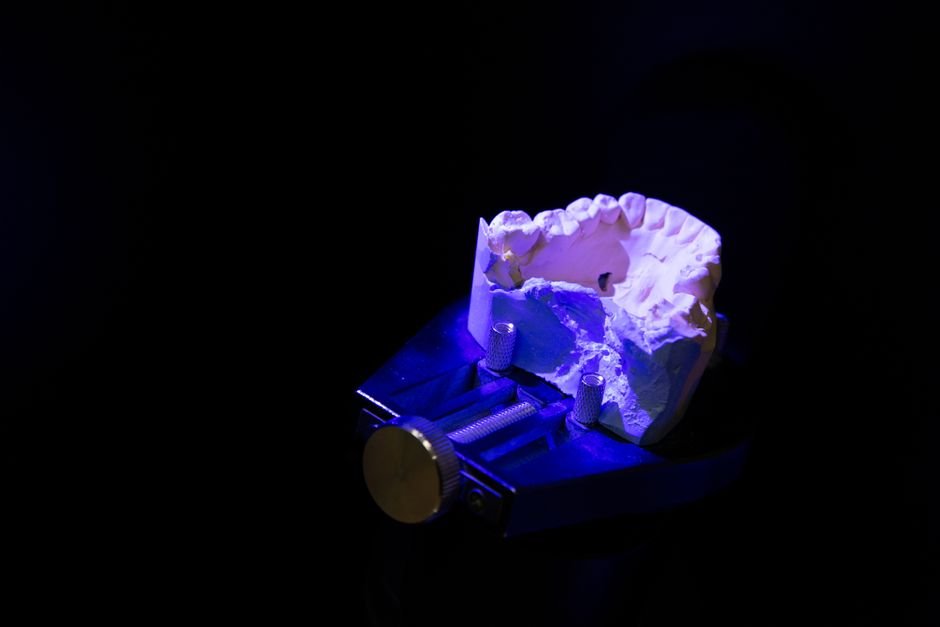
Custom-made mouth guards are produced by a dental team from an accurate impression or scan of the child’s teeth. They are made to an exact fit, with a controlled thickness in the areas most likely to take an impact. Because they fit so closely, they tend to stay in place well, feel more comfortable and allow easier breathing and speech. Children who find their guard comfortable are far more likely to wear it consistently, which is a major part of what makes any mouth guard effective in practice.
A mouth guard can only protect the teeth properly if it stays in the right position during play. A loose guard may slip or fall out at the moment of impact, leaving the teeth exposed. Ill-fitting guards also tend to be uncomfortable, and children may chew on them, take them out between plays or simply refuse to wear them. A guard that is too thin in key areas offers less shock absorption, while one that is too bulky can interfere with breathing, which is a common complaint among young athletes.
A good mouth guard should cover all of the upper teeth back to the molars, fit snugly without needing to clench to hold it in place, and allow the wearer to breathe and speak reasonably clearly. It should not cause gagging or sore spots on the gums. If a child repeatedly complains about their guard, it is worth having it checked rather than letting them go without. A dental team can assess the fit and recommend adjustments or a replacement that better suits the child’s mouth and sport.
Children’s mouths change quickly. New permanent teeth come through, baby teeth are lost and the jaws grow, sometimes noticeably over a single season. A mouth guard that fitted well at the start of the year may become loose or tight within months. Parents should check the fit regularly and consider a new guard at the start of each sporting season, or sooner if it no longer sits firmly in place, feels uncomfortable or a new tooth has erupted underneath it.
Wear and tear also matters. Guards that have been chewed, torn, flattened or warped no longer provide reliable protection and should be replaced. Signs of damage include holes, thin spots, rough edges and a guard that has lost its shape. Bringing the mouth guard along to regular dental checkups allows the dentist to assess its condition and fit. It is a quick check that can make a real difference to how well the guard protects the child during the next impact they encounter.
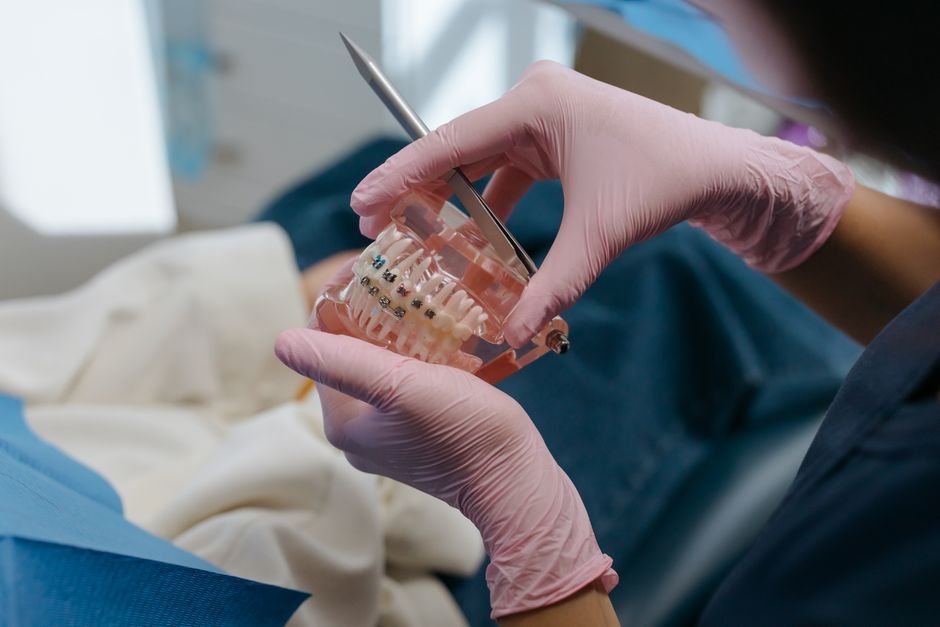
Children with braces should definitely wear a mouth guard during sport, because a blow to the mouth can push the lips and cheeks against the brackets and wires, causing cuts, and can also damage the braces themselves. A standard boil-and-bite guard is not usually ideal, because moulding it tightly around the brackets can interfere with the planned tooth movement and the guard may be difficult to remove without dislodging parts of the appliance.
Special orthodontic mouth guards are available that are designed to fit over braces without being moulded tightly to them, allowing the teeth to continue moving as planned. Your child’s orthodontist or dentist can advise on the most suitable option and may be able to make a custom guard that accommodates the braces. Because teeth are moving throughout treatment, the guard may need checking or replacing more often. Children wearing clear aligners should not use their aligners as a substitute for a sports mouth guard.
Mouth guards collect saliva, bacteria and sometimes small amounts of blood or debris during play, so keeping them clean is important. After each use, rinse the guard with cool water and gently brush it with a soft toothbrush. Avoid hot water, which can warp the material and spoil the fit. Some families also use a mild soap or a cleaning product designed for dental appliances. Allow the guard to dry fully before putting it back into its case, as a damp guard can encourage bacterial growth.
Always store the mouth guard in a rigid, ventilated case when it is not being worn. Leaving it loose in a sports bag can lead to damage, contamination or loss. Keep it away from direct sunlight and hot places, such as car dashboards, where the material can lose its shape. Encourage children not to share mouth guards with teammates, as this spreads germs. Teaching good mouth guard habits from an early age helps children see it as a normal part of their sports kit, just like boots or shin pads.
If a child chips or breaks a tooth, rinse the mouth gently with water, apply a cold compress to reduce swelling and contact a dentist as soon as possible. Keep any broken pieces of tooth in milk or saliva, as they can sometimes be reattached. If a tooth has been pushed out of position or feels loose, avoid trying to move it and seek dental advice urgently. Even if a tooth looks fine after a knock, a dental check is advisable, because some injuries are not visible straight away.
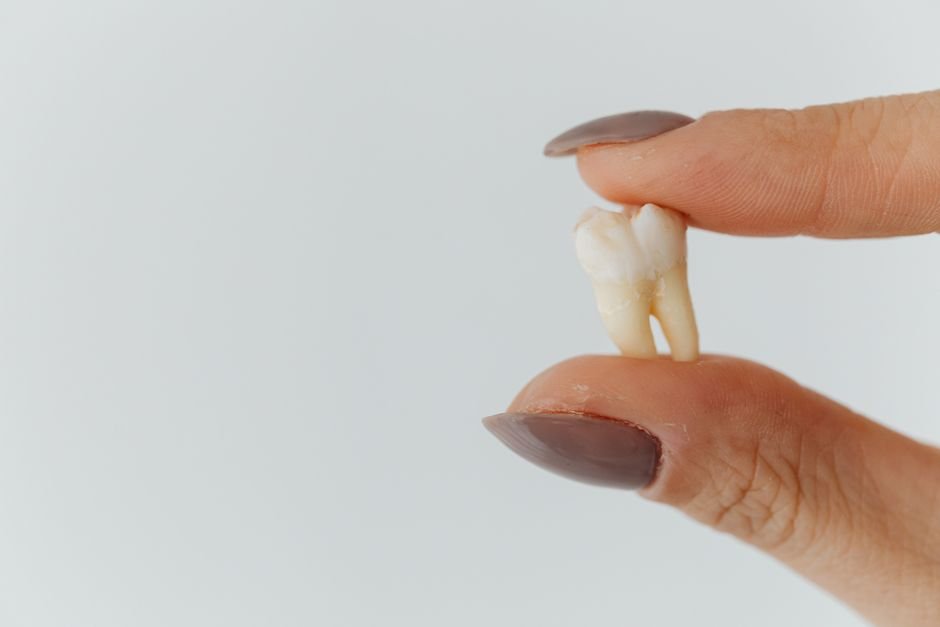
A knocked-out permanent tooth is a true dental emergency. Pick it up by the crown, the part normally visible in the mouth, not the root. If it is dirty, rinse it briefly with milk or saline. If possible, gently push it back into its socket and have the child bite on a clean cloth, then see a dentist immediately. If it cannot be replaced, keep it in milk or in the child’s own saliva. Knocked-out baby teeth should not be put back, but the child should still be seen by a dentist.
A child can start wearing a sports mouth guard as soon as they take part in organised sport or activities with a risk of falls or contact. There is no fixed minimum age, and a dentist can advise on a suitable guard for a child’s developing teeth.
Custom mouth guards made by a dental team generally offer the best fit, comfort and protection, because they are shaped precisely to the child’s teeth. Boil-and-bite guards from shops offer reasonable protection when fitted well, while pre-formed stock guards tend to fit poorly.
A child’s mouth guard should usually be checked and often replaced at the start of each sporting season, or sooner if it becomes loose, tight, damaged or uncomfortable. Growing jaws and newly erupting teeth can change the fit within a few months.
A child with braces should ideally use an orthodontic mouth guard designed to fit over brackets and wires. Ordinary boil-and-bite guards moulded tightly around braces can interfere with tooth movement, so an orthodontist or dentist should advise on the best option.
Hold the tooth by the crown, rinse it briefly in milk if dirty and, if possible, place it back in the socket. If that is not possible, store it in milk or saliva and see a dentist immediately, as quick treatment gives the best chance of saving it.

What and when a family eats together has a surprisingly direct effect on children’s dental health, since mealtime patterns often

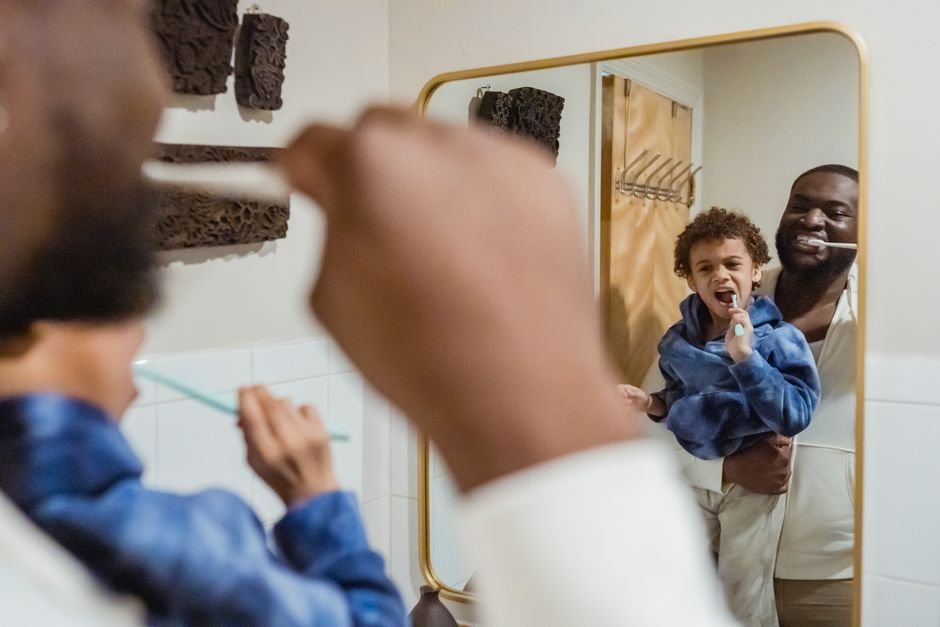
Children are far more likely to stick with good oral care habits when they see parents practising the same routines
Most dentists recommend a child’s first dental visit by their first birthday, or within six months of their first tooth
 English